Golf Pride Tour Velvet Grip Guide
The Golf Pride Tour Velvet is the most played grip on professional tours, and there’s a straightforward reason for that: it does exactly what a grip should do, without asking you to adapt to a gimmick. It’s a round, rubber grip with a firm feel and a subtle brushed texture that provides traction in humid conditions. If you’re trying to decide whether this grip fits your game, or you’re simply trying to understand why it’s so common, this guide covers the construction, the feel, sizing options, and how it compares to alternatives.
What the Brushed Texture Actually Does
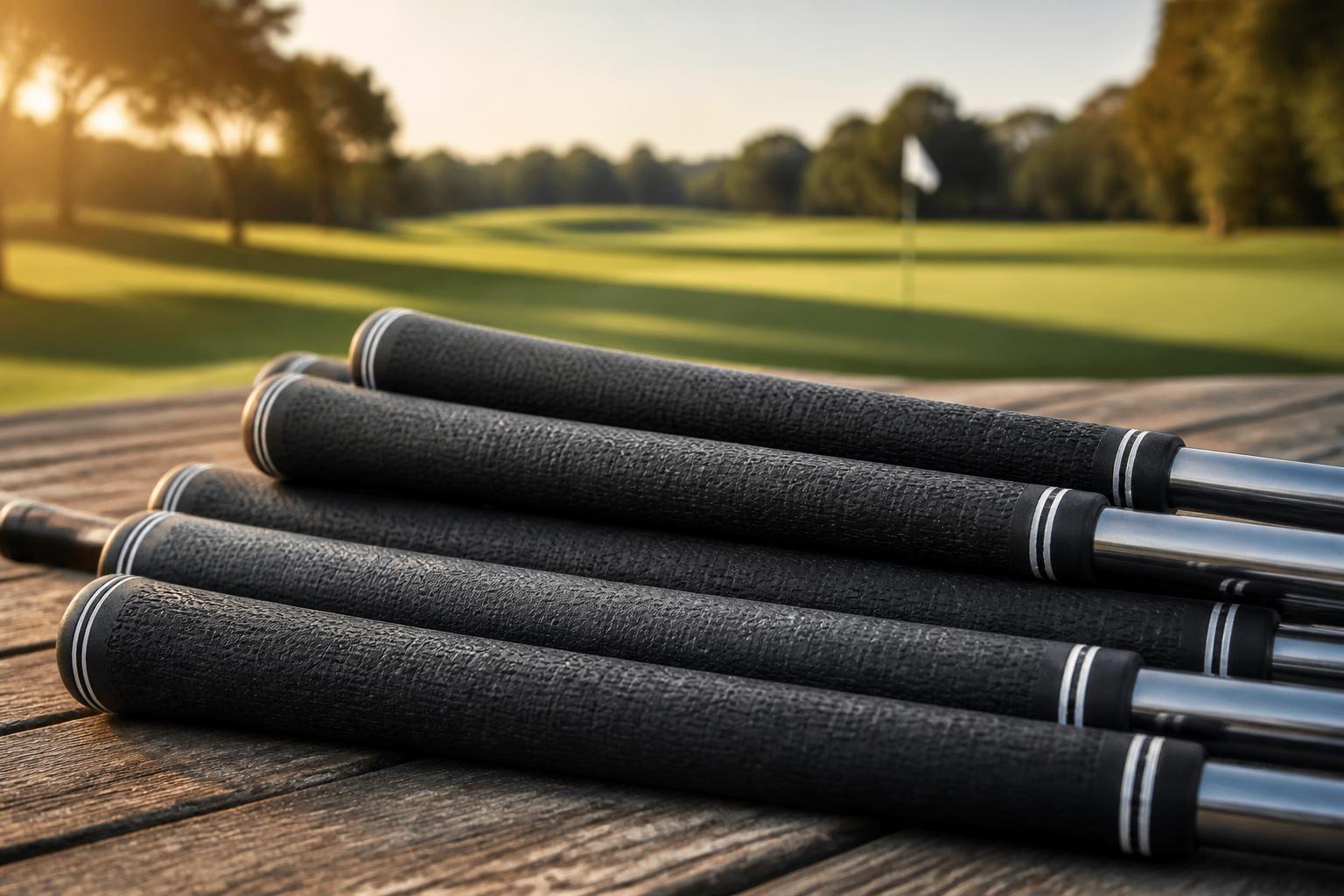
The Tour Velvet’s design is deceptively simple. The base is a firm rubber compound that doesn’t squish under pressure. The surface uses a “brushed” texture—tiny, raised fibers that create friction without feeling abrasive like a full cord grip. This is the key distinction: it’s not a cord grip, but it’s not a slick, smooth rubber grip either.
The firmness is the defining characteristic. When you grip the club, you feel the shape of the handle clearly. There’s no cushioning layer absorbing your hand pressure. For golfers who grip tightly or tend to squeeze, this firmness actually encourages a lighter hold because you don’t need to dig in to feel secure.
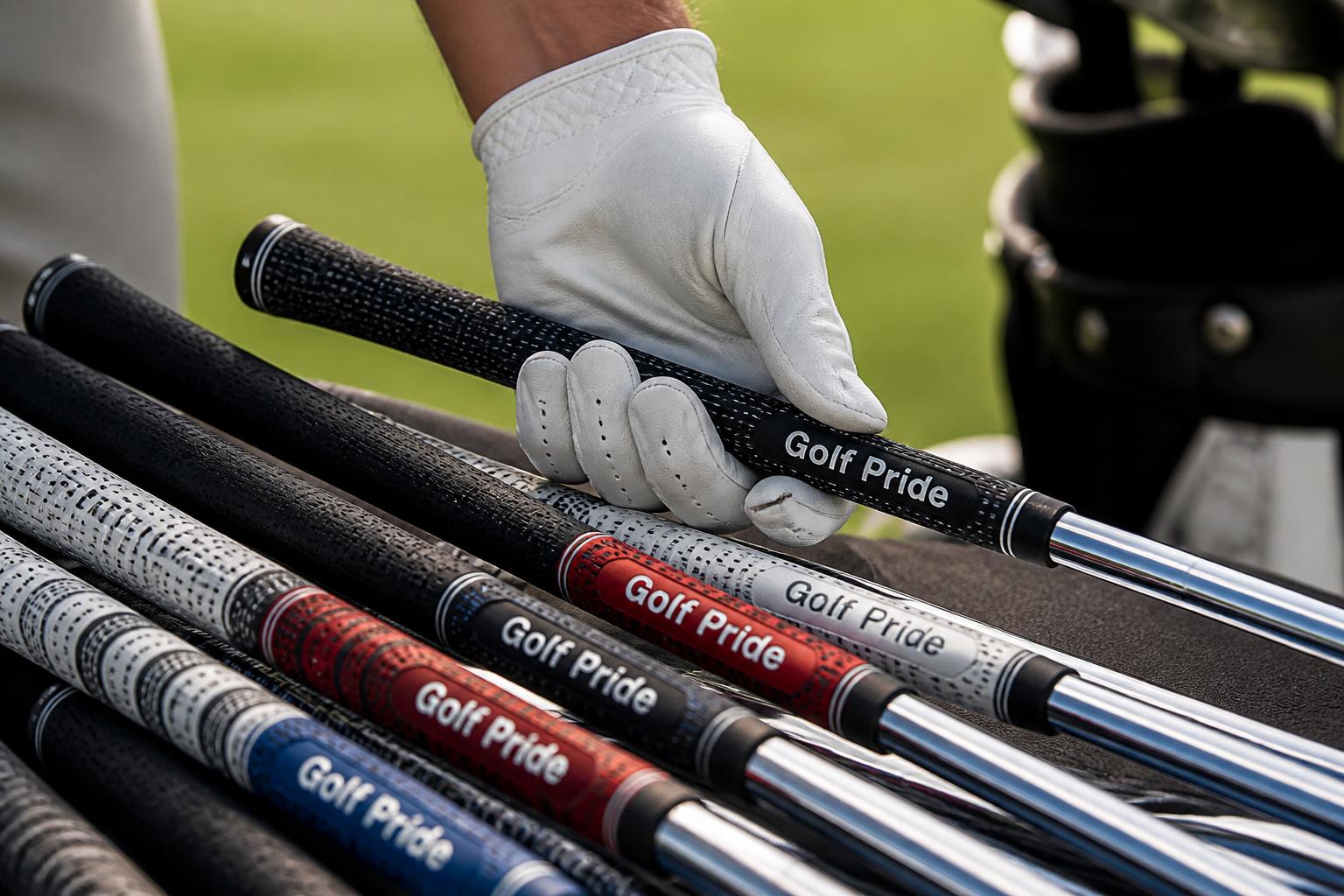
The butt end is slightly larger than some competitors, which helps with the lower hand’s placement. The grip tapers predictably from butt to tip, so club builders and golfers who prefer a specific size can rely on consistent measurements.
Why Tour Players Rely on It
The “Tour” in the name isn’t just marketing. The grip’s popularity on tour stems from its predictability. Tour players often change grips frequently—sometimes every few rounds—and they need a grip that feels identical every time they pick up a new club. The Tour Velvet’s consistent manufacturing tolerances make it a safe choice for that use case.
Additionally, the firm feel provides clear feedback. If you hit a shot off the toe, you feel the twist through the grip. If you hit the center, the club stays stable. That feedback loop helps players make adjustments during a round. Softer grips can mask off-center hits, which is fine for casual play but counterproductive for someone trying to diagnose a swing issue mid-round.
The brushed texture also handles light moisture well. It’s not a rain grip, but for morning dew or light perspiration, the surface maintains traction. In heavy rain, you’d want a full cord or a wrap-style grip with more aggressive water management.
Sizing: Which One Do You Need
The Tour Velvet comes in standard, midsize, and oversize (jumbo) options. The right size depends on two factors: glove size and how you tend to release the club.
- Standard (58+): Fits most golfers with a regular or medium glove size. If you have a neutral swing and don’t fight a hook or slice, start here.
- Midsize (58+): Adds roughly 1/16″ to the diameter. Good for golfers with larger hands or those who tend to hold the club too tightly. The larger diameter fills the palm, reducing grip pressure naturally.
- Oversize (60+): The largest option. Typically used by players with very large hands or those with arthritis or hand fatigue issues. The bigger grip can reduce wrist action, which may help golfers who slice the ball due to an overactive release.
A quick decision rule: if you wear a cadet or large glove, try midsize first. If your hands feel cramped or your knuckles turn white at address, move up a size. If you’re between sizes, err on the side of the smaller grip—you can always add a wrap of tape underneath to build it up.
Installing the Grip Yourself
The Tour Velvet is a standard 58-round grip, meaning it fits any club with a standard butt diameter. Installation requires grip solvent, double-sided tape, and a vise with a rubber shaft clamp. Before you start, lay out everything you need: the new grip, tape, solvent, a hook blade knife, and a rag. Working in a well-ventilated area matters because grip solvent fumes are strong.
Here’s the order of operations:
1. Remove the old grip by slicing it with a hook blade. Cut away from your body, and peel the old grip and tape off the shaft.
2. Clean the shaft butt with solvent and a rag. Any leftover tape residue will create a bump under the new grip.
3. Apply double-sided tape to the shaft. One layer gives you standard size; two layers bump you toward midsize. Leave about half an inch of tape extending past the shaft butt.
4. Prepare the grip. Pour a small amount of solvent into the grip’s vent hole, cover the hole with your thumb, and shake to coat the inside. This step is critical—skipping it makes the grip nearly impossible to slide on.
5. Slide the grip on. Wet the tape with solvent, then push the grip onto the shaft quickly. The solvent acts as a lubricant, so it should slide with minimal resistance. If you have to force it, stop, add more solvent, and try again.
6. Align the logo before the solvent dries. Once the grip sets—usually within 10–15 minutes—it’s not moving without cutting it off.
7. Let it dry fully. Wait at least an hour before using the club. The solvent needs time to evaporate completely, or the grip will spin on the shaft.
Verify the install: After the drying period, hold the club firmly and twist the grip. It should not rotate at all. If it spins, the solvent hasn’t fully dried or the tape didn’t bond—give it more time, and if it still spins after 24 hours, you’ll need to redo it.
Common mistakes: Using too little solvent is the biggest one. The grip should slide on with minimal resistance. If you have to force it, you risk tearing the rubber or creating a bubble. Also, don’t try to align the grip after the solvent dries—once it sets, it’s permanent.
Stop and escalate: If you’re installing a full set and the second or third grip gives you trouble, stop. If you’ve torn a grip during installation, or if the grip spins after 24 hours of drying, take the club to a local pro shop. Most shops charge a small fee per club for installation, and they have the proper equipment to avoid these issues. A spinning grip is a safety hazard—do not play with it.
Maintaining the Grip
Maintenance is simple. Clean the grip with soapy water and a soft brush. Avoid harsh solvents or petroleum-based cleaners, which can break down the rubber compound. A clean grip will last longer and perform better.
Watch for the wear signal: The brushed texture will gradually smooth out with use. When the surface starts to feel shiny or slick—especially in the lower hand area where you grip most firmly—it’s time to replace it. For regular players (2–3 rounds per week), expect 6–12 months of life. If you play less frequently, the grip can last a full season or longer.
One failure mode to know: If the grip develops a hard, glazed spot where your hands sit, that’s a sign the rubber has oxidized. Cleaning won’t restore it. The grip has reached the end of its useful life, and continuing to play with it will force you to grip tighter, which can introduce tension into your swing.
Tour Velvet vs. Other Golf Pride Options
The Tour Velvet sits in the middle of Golf Pride’s lineup. Here’s how it compares to three other popular models:
vs. Golf Pride MCC Golf Club Grip: The MCC (Multi-Compound) combines a cord upper hand with a rubber lower hand. The cord provides maximum traction in wet conditions, but the texture is rougher on bare skin. If you play in humid climates or sweat heavily, the MCC is the better choice. If you want a uniform feel across the entire grip, stick with the Tour Velvet.
vs. Golf Pride CP2 Pro Golf Club Grip: The CP2 Pro is significantly softer. It uses a “Control Core” technology that adds cushioning, which reduces hand fatigue. If you have arthritis or play a lot of rounds in a short period, the CP2 Pro is more comfortable. But the softness reduces feedback, and some golfers find it makes the club feel “dead” at impact. The Tour Velvet is firmer and more responsive.
vs. Golf Pride Tour Wrap Golf Grip: The Tour Wrap uses a smooth, high-tack rubber that mimics a leather wrap. It provides excellent grip without any texture, but it wears out faster than the Tour Velvet and becomes slick as it ages. The Tour Velvet’s brushed texture lasts longer and maintains traction more consistently over time.
Who Should Choose the Tour Velvet
This grip is a solid default for most golfers, but it’s not for everyone. Choose it if:
- You want a firm, predictable feel with clear feedback.
- You play in moderate conditions—not heavy rain, not extreme heat with heavy sweating.
- You prefer a round grip without any rib or alignment aid.
- You want a grip that will last a full season with regular play.
Skip it if:
- You need maximum cushioning for hand fatigue or arthritis.
- You play in persistent rain and need aggressive moisture management.
- You prefer a soft, cushioned feel at impact.
If you’re coming from a cheap stock grip, the Tour Velvet will feel like a significant upgrade. If you’re coming from a soft grip like the CP2 Pro, it will feel firm and possibly harsh for the first few rounds. Give it a week before judging—the firmness becomes less noticeable as your hands adapt, and you may find the feedback improves your ball-striking.
Common Questions
How long does a Tour Velvet grip last?
With regular play (2–3 rounds per week), expect 6–12 months. The brushed texture will wear smooth over time. When the surface feels shiny and slick, replace it.
Can I use the Tour Velvet in the rain?
It handles light moisture but not heavy rain. For wet conditions, consider the MCC with cord in the upper hand.
Does the Tour Velvet come in different colors?
Yes, but the black version is the most common. Color options vary by retailer and availability.
Is the Tour Velvet a cord grip?
No. It has a brushed texture that provides friction, but it’s not a full cord grip. The cord version is the MCC.
Do I need to use a specific tape thickness?
Standard 0.015″ double-sided tape works fine. For a midsize feel, use two wraps of tape under a standard grip.
Final Thoughts
The Golf Pride Tour Velvet is the grip that other grips are compared to. It’s not flashy, it’s not the softest, and it’s not the most aggressive in wet weather. What it offers is consistency: a firm, predictable surface that works for a wide range of golfers. If you’re building a set or replacing worn grips, it’s a safe starting point. If you know you need something softer or more water-resistant, the alternatives above give you clear options. The right grip is the one that lets you hold the club without thinking about it—and for many golfers, that’s the Tour Velvet.

Michael Reeves is a PGA Professional with over 20 years of experience in competitive golf and instruction. A former Division I collegiate player at the University of Texas, he competed on the mini-tours before transitioning to full-time coaching and golf journalism. He has been a certified PGA teaching professional since 2005 and has worked with players at every level, from absolute beginners to collegiate champions.
His writing has appeared in Golf Digest, Golf Magazine, and The Left Rough. At GolfHubz, Michael leads the editorial team, overseeing fact-checking and ensuring every answer meets the same standard he demands on the lesson tee: clear, evidence-based, and immediately useful.
When he’s not writing or teaching, Michael plays to a +1.4 handicap at his home club in Austin, Texas. He has attended over 40 major championships as a journalist and fan, and has played more than 200 courses across 15 countries.
You can reach Michael at [email protected] or follow his occasional swing analysis posts on the site.