Srixon Z-Star Golf Ball Specs Chart
The Srixon Z-Star is a tour-level urethane ball built for players who want spin control around the greens without giving up distance off the tee. It sits below the Z-Star Diamond in Srixon’s lineup, offering a slightly softer feel and a touch more forgiveness on mis-hits. Here’s the full spec breakdown and how it compares to the other balls in the family.
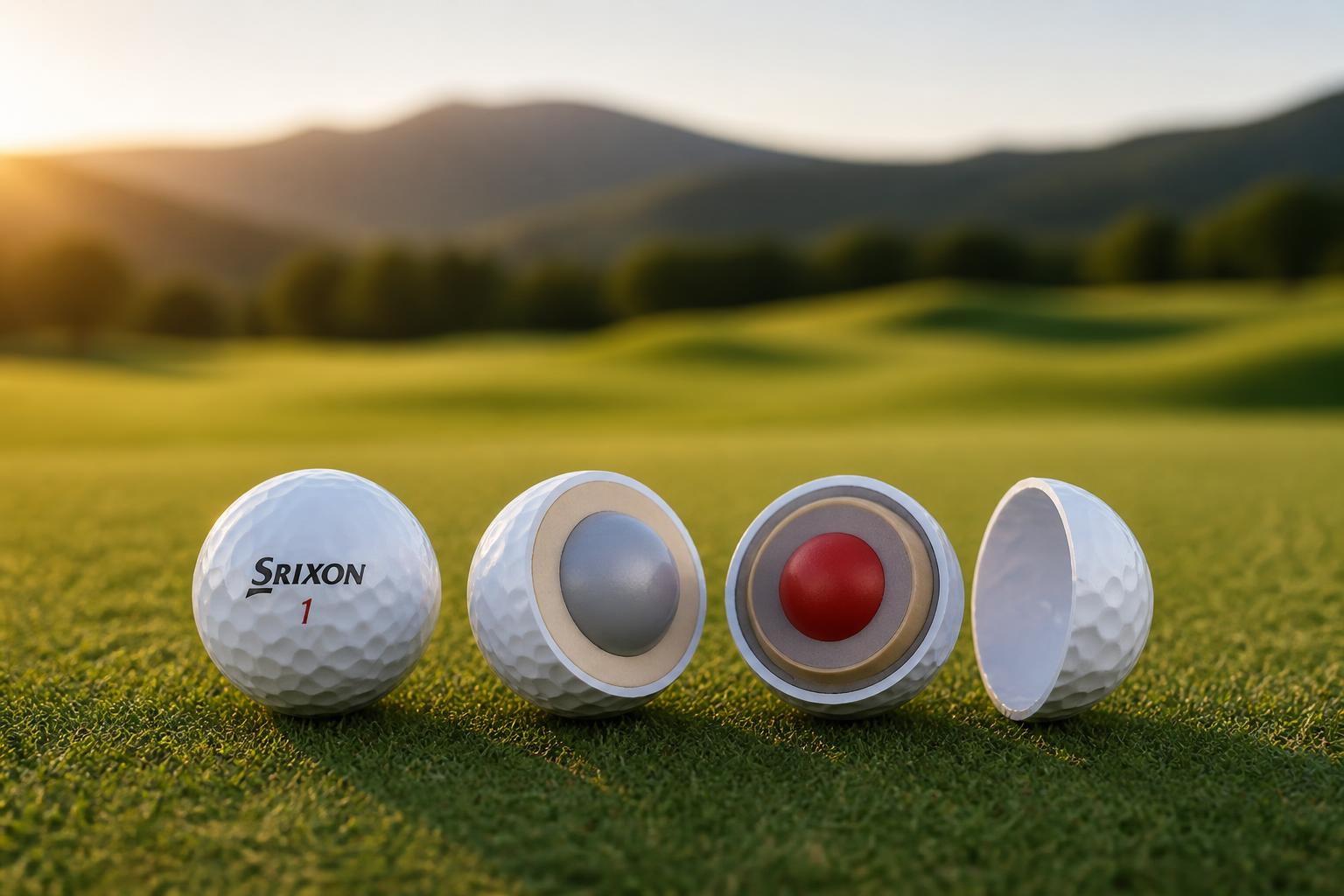
Core Specifications
| Spec | Srixon Z-Star |
|---|---|
| Construction | 3-piece |
| Cover | Spin Skin with SeRM (Soft urethane) |
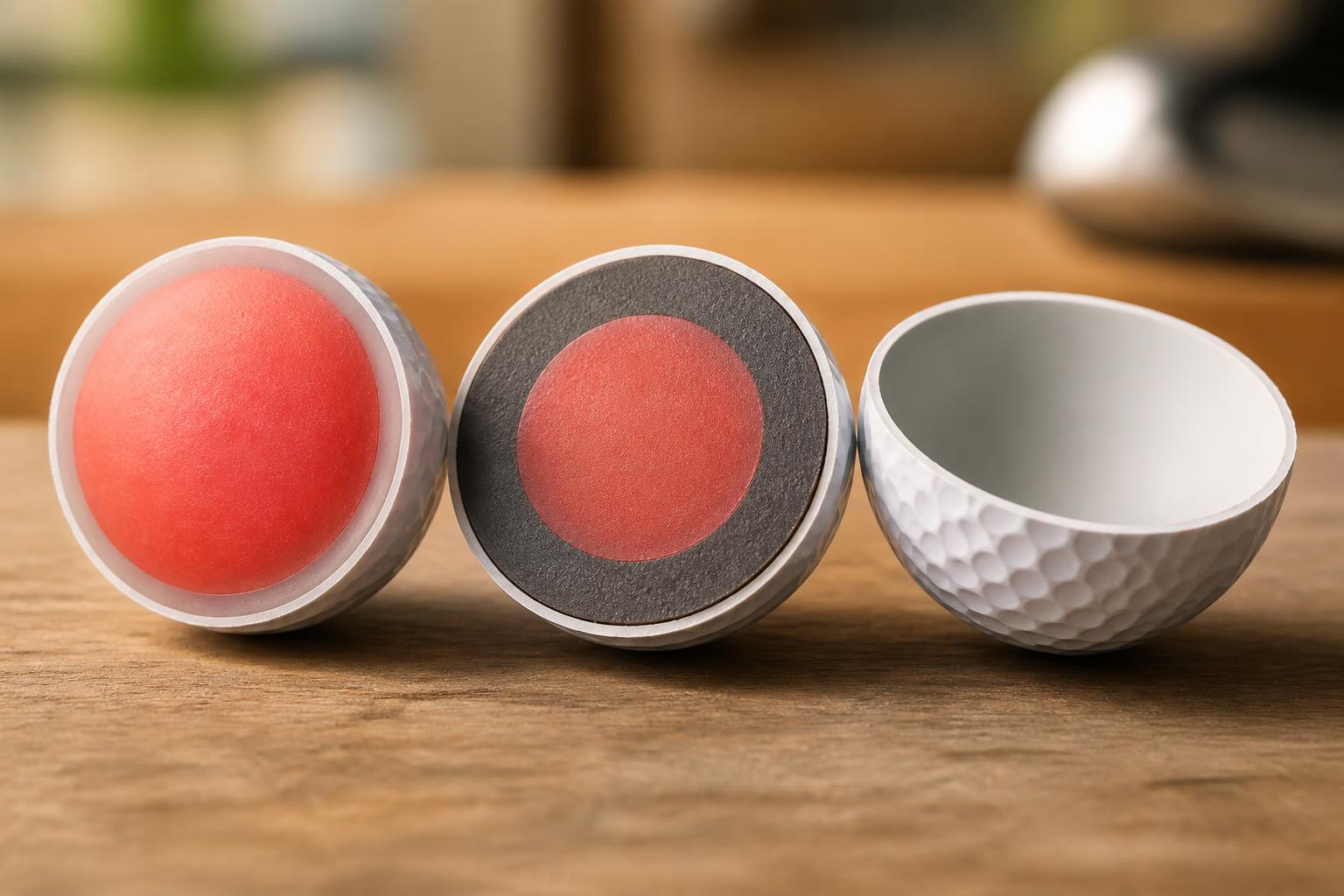
| Core | FastLayer DG (Double Gradient) |
| Dimples | 338 (Dual Dimple pattern) |
| Compression | 85–90 (firm) |
| Feel | Medium-firm |
| Launch | Mid |
| Spin (wedge) | High |
| Spin (driver) | Low-mid |
| Available colors | White, Yellow, Red |
| Price range | $45–$50 per dozen (varies; verify locally) |
The numbers above reflect Srixon’s published specs. Compression ratings are approximate because Srixon doesn’t print an official number on the box—independent testing typically lands the Z-Star in the mid-to-high 80s.
How the FastLayer Core Changes Your Shots
The Z-Star uses a FastLayer DG core, meaning the center is soft and the outer edge firms up gradually. This gradient affects performance in two distinct ways:
1. Off the driver: The firmer outer layer resists excessive deformation at high clubhead speed, which keeps spin down and ball speed up.
2. On short shots: The softer center compresses more easily with slower swing speeds, letting the ball grab the grooves and produce check spin.
A practical comparison: if you’ve played the Z-Star XV (now the Z-Star Diamond), the standard Z-Star feels noticeably softer on putts and pitches. The Diamond is firmer and spins slightly less off the driver, making it better for players who generate high swing speed. The standard Z-Star is the better fit if you want a tour ball that doesn’t feel like a rock on cold mornings.
What this means for your next purchase: If you’re currently playing a distance ball and want more short-game control, the Z-Star is a legitimate upgrade—but only if your swing speed is high enough to compress the core. If you’re consistently under 90 mph with the driver, you won’t activate the spin layer, and the firmer compression will feel boardy. In that case, keep your current softer ball and revisit the Z-Star when your swing speed improves.
Dimple Design and Flight Behavior
The 338 dimples use Srixon’s dual-dimple pattern—each dimple has a smaller dimple inside it. This creates more turbulence in the air layer around the ball, which reduces drag and helps the ball hold its line in crosswinds.
In practice, you’ll notice two things:
- A flatter, more penetrating flight compared to high-launch balls like the Titleist Pro V1x.
- Less ballooning into headwinds, which helps you keep the ball under the wind on long approach shots.
The trade-off is that the Z-Star launches slightly lower than some competitors. If you naturally hit the ball low, you may want to pair this ball with a higher-lofted driver or accept the lower peak height. This is a real limitation, not a minor quibble—players with a naturally flat ball flight sometimes lose 5–8 yards of carry because the Z-Star doesn’t help them get the ball up. If that describes you, a high-launch ball will serve you better.
Spin Performance by Club
Here’s how the Z-Star behaves across the bag, based on launch monitor data from independent ball tests:
| Club | Spin Behavior | What It Means |
|---|---|---|
| Driver | 2,200–2,600 rpm | Low enough to avoid the “spinning out” slice, high enough to hold a fairway in soft conditions |
| Mid irons | 5,500–6,500 rpm | Predictable descent angle; balls stop within a few feet of the pitch mark |
| Wedges (full) | 9,500–11,000 rpm | High spin for stopping on firm greens |
| Wedges (partial) | 6,000–8,000 rpm | One-hop-and-stop on most shots; check spin on flop shots |
The SeRM cover is the key to the wedge performance. It’s a softer urethane blend that grabs the grooves more aggressively than harder covers. You’ll notice the difference most on 30–60 yard pitch shots where the ball takes one bounce and stops rather than rolling out 10 feet.
How to verify the spin works for you: Before committing to a dozen, buy a single sleeve and play two rounds with the same ball on your home course. Pay attention to approach shots into firm greens. If the ball is releasing more than 6–8 feet after landing on a full wedge shot, either your grooves are worn or the ball isn’t spinning enough for your swing. If your wedges are less than three seasons old and you’re still getting roll-out, the Z-Star may not be the right fit—you’d benefit more from a higher-spin tour ball.
Z-Star vs. Z-Star Diamond
Srixon renamed the XV to “Diamond” in recent production runs, but you may still see older XV stock in stores. Here’s the quick breakdown:
| Spec | Z-Star | Z-Star Diamond (formerly XV) |
|---|---|---|
| Feel | Softer | Firmer |
| Driver spin | Higher | Lower |
| Wedge spin | Similar | Slightly lower |
| Best for | Swing speeds under 100 mph | Swing speeds over 100 mph |
| Flight | Mid | Lower, more piercing |
If you swing your driver around 95–100 mph, the standard Z-Star is the better match. If you’re consistently above 105 mph, the Diamond’s firmer core will hold up better and produce less spin off the tee.
The mismatch to watch for: If you’re a high-speed player (105+ mph) and pick the standard Z-Star for its softer feel, you’ll see your driver spin climb into the 2,800–3,200 rpm range. That produces a ballooning flight that costs you 5–10 yards and makes your misses wider. The soft feel on putts isn’t worth that trade-off. Conversely, if you’re a 95 mph swinger and buy the Diamond because you want “the pro ball,” you’ll get a firmer feel and lower launch that’s harder to get airborne—without gaining any meaningful distance benefit.
Durability and Practical Notes
The Z-Star’s soft cover scuffs more easily than harder ionomer covers found on distance balls. You’ll see light marking after a full wedge shot, especially if you hit a sandy lie or a cart path. This is normal for urethane balls—the trade-off is spin performance.
A few practical notes:
- Yellow and red versions use the same cover and core as the white. No performance difference, just visibility.
- The ball performs best in temps above 50°F. Below that, the core stiffens and you’ll lose 3–5 yards. This affects all tour balls, not just Srixon.
- If you lose more than a ball per round, consider the Z-Star Divide (the two-tone version) for easier tracking, or step down to a cheaper urethane option until your ball-striking tightens up.
A cost reality check: At $45–$50 per dozen, losing two balls per round puts you at roughly $8–$9 per round just in golf balls. Over a 20-round season, that’s $160–$180. If you’re still developing consistency, that money is better spent on range time or a lesson. The Z-Star’s performance benefits only matter if you’re keeping the ball in play.
For junior players or beginners still developing swing speed, a full tour ball like the Z-Star may be more than you need. A lower-compression option like the Vice Tour Junior Golf Balls transfers energy better from slower swing speeds and provides a softer feel that’s more forgiving on mishits.
Who Should Play the Z-Star
The Z-Star fits a specific player profile:
- You have a handicap under 15 and want tour-level spin on approach shots.
- You swing the driver 90–105 mph and don’t need the extra-low spin of the Diamond.
- You prefer a firmer feel than the Z-Star Diamond but softer than a distance ball.
- You play courses with firm greens where stopping power matters more than roll-out.
If you’re a high-handicap player or swing under 90 mph, the Z-Star’s firm compression will feel boardy and you won’t generate enough speed to activate the spin layer. A softer ball will serve you better.
Common Misconceptions
“Higher spin means more control.” Not always. Excess spin off the driver creates a ballooning flight that costs distance and amplifies slices. The Z-Star’s low-mid driver spin is a feature, not a flaw.
“The Diamond is just a harder Z-Star.” The core gradient is different, not just firmer. The Diamond’s core transitions more abruptly, which changes how energy transfers at high clubhead speed. They’re related but distinct designs.
“You need to be a pro to use a tour ball.” Not true. If you have moderate swing speed and want better short-game control, the Z-Star works fine. The real requirement is that you’re not losing multiple balls per round—the cost adds up quickly.
Frequently Asked Questions
Is the Srixon Z-Star legal for tournament play?
Yes. The Z-Star appears on the USGA’s conforming ball list and meets all Rules of Golf requirements. It’s used on professional tours worldwide.
What’s the difference between the Z-Star and Z-Star Divide?
The Divide uses the same core and cover as the standard Z-Star but with a two-tone yellow/red or white/red shell for easier visual tracking. Performance specs are identical.
How long does the Z-Star’s cover last?
A typical round produces light scuffing on wedge shots. The ball remains playable for multiple rounds unless you hit a cart path or tree, which can cut the cover. Most players replace them after 2–3 rounds.
Does the Z-Star come in a softer version?
The Z-Star is the softest ball in Srixon’s tour lineup. The Q-Star Tour is slightly softer but uses a thinner cover and produces less spin. If you want softer than the Z-Star, the Q-Star Tour is the step down.
Is the Z-Star good for high swing speeds?
It works up to about 105 mph. Above that, the ball may spin too much off the driver, costing you distance. The Z-Star Diamond is the better choice for faster swingers.
The Z-Star occupies a specific sweet spot in Srixon’s lineup: tour-level spin and control with a slightly more forgiving feel than the Diamond. If your swing speed sits in the mid-90s and you want a ball that stops on firm greens, it’s a strong match. If you’re faster or slower than that range, look at the Diamond or Q-Star Tour respectively.

Michael Reeves is a PGA Professional with over 20 years of experience in competitive golf and instruction. A former Division I collegiate player at the University of Texas, he competed on the mini-tours before transitioning to full-time coaching and golf journalism. He has been a certified PGA teaching professional since 2005 and has worked with players at every level, from absolute beginners to collegiate champions.
His writing has appeared in Golf Digest, Golf Magazine, and The Left Rough. At GolfHubz, Michael leads the editorial team, overseeing fact-checking and ensuring every answer meets the same standard he demands on the lesson tee: clear, evidence-based, and immediately useful.
When he’s not writing or teaching, Michael plays to a +1.4 handicap at his home club in Austin, Texas. He has attended over 40 major championships as a journalist and fan, and has played more than 200 courses across 15 countries.
You can reach Michael at [email protected] or follow his occasional swing analysis posts on the site.