Replacing Golf Club Grips: A Step-by-Step Guide
← Golf Equipment | Golf Clubs
BLOCKQUOTE_0
Quick Answer
- Rip off the old grip, clean the shaft up right.
- Wrap on new double-sided tape, then splash some solvent inside the new grip.
- Slide the new grip on smooth and let it set. Boom, done.
Who This Guide Is For
- You, if you’re tired of paying shop fees to get your clubs regripped. Save some dough. I learned this the hard way, paying way too much.
- Anyone who wants to dial in their feel. Different grips can change your game. Want more tack? Less vibration? You got it.
What to Check First When Replacing Golf Grips
- Grip Size: Make sure you’ve got the right size for your paws. Too small or too big throws off your swing. Check a sizing chart online or ask at the shop. Seriously, this is crucial.
- Grip Type: Rubber, cord, synthetic – they all feel different. Pick what suits your style and the weather you play in. Cord grips are sweet for humid days.
- Shaft Condition: Give the shaft a quick once-over. Any cracks or damage? If so, you might need more than just a new grip. A compromised shaft is no good.
- Old Grip Material: Sometimes that old grip is glued on like it’s part of the shaft. Knowing this upfront helps manage expectations.
Step-by-Step Plan: How to Replace Golf Grips
This is how you get it done right. Don’t rush it.
1. Secure the Club: Clamp your golf club in a vise. Use a rubber clamp insert so you don’t crush the shaft. You want it solid, but not so tight it damages anything. A crushed shaft is a bad day, trust me.
- What to look for: The club should be held firmly, with no wobble, but the vise jaws shouldn’t be digging into the shaft itself. The rubber insert is your best friend here.
- Mistake to avoid: Overtightening the vise. This can easily crack or dent your shaft, turning a simple regrip into a club repair job.
2. Cut Off the Old Grip: Grab a sharp utility knife. Start at the top of the grip and cut down the shaft. Always cut away from yourself. Seriously, safety first out there. You don’t want a trip to the ER ruining your golf plans.
- What to look for: A clean cut that goes all the way through the grip material. You want to expose the shaft underneath.
- Mistake to avoid: Cutting towards yourself. This is a recipe for a nasty cut. Always direct the blade away from your body and limbs.
3. Peel Off Remnants: Get all the old grip material off the shaft. Use your knife or a rag to scrape away any sticky residue. A clean shaft is key for the new grip to stick right. Leftover gunk means the new grip might not adhere properly.
- What to look for: A completely clean and smooth shaft surface. No bits of old rubber or adhesive should remain.
- Mistake to avoid: Leaving behind any old tape or adhesive residue. This can create bumps under the new grip or prevent it from sticking securely, leading to slippage later on.
4. Apply New Tape: Wrap double-sided grip tape around the shaft, starting from the butt end and working down. Overlap by about half an inch. Make sure it’s smooth. Wrinkles mean trouble. You can find specific grip tape at any golf store or online. It’s designed for this job.
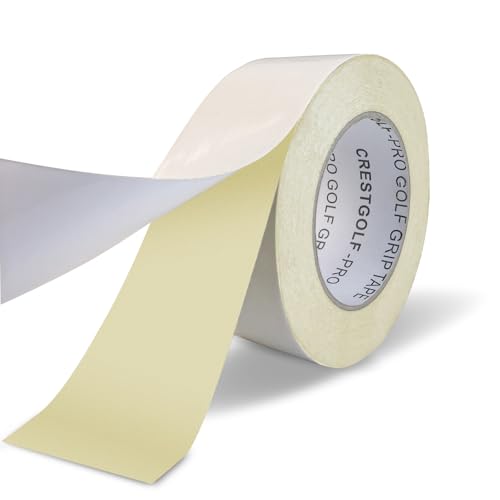 Crestgolf Golf Grip Tape Roll 2" x 18 Yards, Premium Solvent Activated Double Sided Adhesive Strips for Regripping Golf Clubs, Upgrade 1.2U Thickened Double Sided TapeCheck price on AmazonWe may earn a commission
- What to look for: The tape should be applied smoothly, with consistent overlap and no air bubbles or wrinkles. The end of the tape should be tucked slightly under the butt of the shaft.
- Mistake to avoid: Applying the tape unevenly or with significant wrinkles. This will result in an inconsistent feel and can compromise the grip’s adhesion.
5. Add Solvent: Pour a good amount of grip solvent into the new grip. Swirl it around to coat the inside. This is the magic stuff that lets the grip slide on. Don’t be shy with it; you want the inside thoroughly coated. A common mistake is not using enough, making the installation a real pain.
- What to look for: The entire inner surface of the grip should be wet with solvent. You should be able to hear it sloshing around.
- Mistake to avoid: Under-applying the solvent. Not having enough solvent makes it incredibly difficult to slide the grip on smoothly and can lead to tearing the grip or getting air bubbles trapped.
6. Slide On the New Grip: Quickly slide the solvent-lubricated grip onto the shaft. Aim for the butt end first. Push it all the way down until it’s seated properly. Don’t mess around here; the solvent evaporates fast. This is where the swagger comes in. A good, confident push is all it takes.
- What to look for: The grip should slide on easily and fully cover the tape, reaching the butt end of the shaft without any resistance or bunching.
- Mistake to avoid: Hesitating or going too slow. The solvent begins to evaporate immediately, so you need to be decisive and push the grip on in one smooth motion.
7. Align and Dry: Get the grip straight and in the position you want. Let it dry for at least a few hours, or preferably overnight, before you swing. This allows the solvent to fully evaporate and the grip to bond securely to the tape and shaft. Patience is key here.
- What to look for: The grip should be perfectly aligned with the clubface and shaft, and it should feel firm and secure.
- Mistake to avoid: Trying to use the club too soon. The grip needs time to dry and adhere properly. Using it prematurely can cause it to slip or become misaligned.
How to Replace Golf Grips: A Step-by-Step Guide
Regripping your clubs yourself isn’t just about saving money; it’s about taking control of your equipment. A fresh set of grips can feel amazing and even help you groove a better swing. If your current grips are slick, worn, or just don’t feel right, this guide is your ticket to a better feel at the top of your backswing and through impact. It’s a rewarding DIY project that pays off every time you step up to the tee.
When you’re looking to refresh your clubs, understanding the nuances of how to replace golf grips can make all the difference. It’s not just about slapping on something new; it’s about choosing the right size, texture, and firmness to match your game. For instance, if you tend to grip the club too tightly, a softer, more cushioned grip might help you relax your hands. Conversely, if you feel like you’re losing control, a corded grip offers more traction. This process is fundamentally about personalization and performance enhancement.
Tools and Prerequisites
Before you dive in, make sure you have the right gear. This isn’t rocket science, but having the proper tools makes the job go from frustrating to smooth sailing.
- New Grips: Obviously. Get more than you need, just in case.
- Double-Sided Grip Tape: Specifically made for golf grips.
- Grip Solvent: Or mineral spirits/denatured alcohol in a pinch.
- Utility Knife: A sharp blade is essential.
- Vise with Rubber Clamp Insert: This is non-negotiable for protecting your clubs.
- Rag or Paper Towels: For cleaning up.
- Gloves (Optional): To keep your hands clean.
Common Mistakes
Don’t let these trip you up. A little attention to detail goes a long way.
- Wrong Grip Size — This messes with your swing mechanics and control. You might pull shots or push them, all because your hands don’t fit the grip right. — Consult a sizing chart or get sized up at a golf shop. Standard, midsize, jumbo – they all serve different purposes.
- Dirty Shaft — If you don’t clean off old tape and residue, the new grip can slip or feel lumpy. Your swing deserves a clean slate. — Use solvent and a clean rag to get the shaft spotless. Seriously, get every last bit of gunk off.
- Tape Overlap Issues — Too much overlap creates a lumpy feel; not enough can lead to slippage. It’s a delicate balance. — Apply the tape smoothly, overlapping about half an inch, and ensure it’s flat. A little extra care here makes a big difference in feel.
- Not Enough Solvent — This makes it a wrestling match to get the grip on, and you might tear it or end up with air bubbles. — Don’t be shy with the solvent; get it all inside the grip. It’s designed to evaporate safely.
- Rushing the Drying Time — Trying to hit balls before the grip is fully set can ruin the adhesion and the grip itself. Patience, grasshopper. — Be patient. Let them dry completely, ideally overnight, before taking a full swing.
- Using the Wrong Tape — Standard double-sided tape from the hardware store might not adhere well or could leave a sticky mess. — Always use tape specifically designed for golf grips. It’s made to work with grip solvent.
- Damaging the Shaft During Clamping — Clamping too hard without protection can dent or crack the shaft, leading to a costly repair. — Always use a rubber vise insert. It cushions the shaft and prevents damage.
FAQ
- How often should golf grips be replaced?
Generally, every 30-40 rounds or about once a year, whichever comes first. If they look shiny, feel slick, have visible wear patterns, or you’re just not getting a good grip, it’s time. Your hands are your connection to the club, so keep that connection solid.
- What are the different types of golf grips?
You’ve got rubber (classic feel, good all-around), cord (excellent traction in wet conditions, can be harsher on hands), and synthetic (various textures, materials, and performance features like vibration dampening or enhanced tackiness). Each offers a different feel and performance characteristic.
- Can I use mineral spirits instead of grip solvent?
Yes, mineral spirits or denatured alcohol can work in a pinch. However, dedicated grip solvent is specifically formulated to evaporate at the right rate for installing grips and is generally less harsh on shaft materials. It’s the best bet for a clean install.
- How do I know if I have the right grip size?
A good starting point is placing your middle and ring fingers of your lead hand slightly overlapping your thumb. If it feels comfortable and not too stretched or cramped, it’s likely a good fit. Standard is most common, but midsize or jumbo can help players with larger hands or those who tend to grip too tightly.
- Do I need a vise?
While you could try to hold the club steady between your feet or with a helper, a vise with a rubber clamp insert is highly recommended. It makes the job much easier, safer for your club, and ensures consistent results. It’s a tool that makes the entire process significantly more manageable.
- How much solvent do I really need?
You want enough so that when you shake the grip, you can hear it sloshing around inside. This ensures the entire inner surface is coated, allowing the grip to slide on smoothly without any sticking points or air bubbles. It might seem like a lot, but it evaporates quickly.
- Can I reuse old grip tape?
No, it’s best to always use fresh double-sided grip tape. Old tape may have lost its tackiness, could be difficult to remove cleanly, and might not adhere properly, compromising the new grip’s security.
Sources

Michael Reeves is a PGA Professional with over 20 years of experience in competitive golf and instruction. A former Division I collegiate player at the University of Texas, he competed on the mini-tours before transitioning to full-time coaching and golf journalism. He has been a certified PGA teaching professional since 2005 and has worked with players at every level, from absolute beginners to collegiate champions.
His writing has appeared in Golf Digest, Golf Magazine, and The Left Rough. At GolfHubz, Michael leads the editorial team, overseeing fact-checking and ensuring every answer meets the same standard he demands on the lesson tee: clear, evidence-based, and immediately useful.
When he’s not writing or teaching, Michael plays to a +1.4 handicap at his home club in Austin, Texas. He has attended over 40 major championships as a journalist and fan, and has played more than 200 courses across 15 countries.
You can reach Michael at [email protected] or follow his occasional swing analysis posts on the site.