DIY Guide to Changing Golf Club Grips
← Golf Equipment | Golf Clubs
BLOCKQUOTE_0
Quick Answer
- You can absolutely change your golf club grips at home with a few common tools and supplies, saving you a pretty penny.
- The process is straightforward: remove the old grip, prep the shaft, apply new tape, and slide on the new grip.
- This is a fantastic way to refresh your clubs and get that perfect feel back in your hands for better shots.
Who This DIY Grip Change is For
- Golfers who are looking to save some serious dough on club maintenance and regripping services.
- Players who want to customize the feel, size, or tackiness of their grips to match their swing and preferences.
- Anyone who’s comfortable with basic DIY tasks and has a bit of swagger when it comes to working with their hands.
What to Check First for Changing Golf Club Grips
- Replacement Grips: Make sure you’ve got the right size (standard, midsize, jumbo) and type of replacement grips. Check your current grips or the manufacturer’s recommendations to be sure.
- Supplies: Double-check that you have enough double-sided grip tape and grip solvent. Running out mid-job is a real drag. I learned that the hard way.
- Vise Setup: If you’re using a vise, confirm it has a rubber clamp or protective material. You absolutely do not want to damage your expensive club shafts.
- Workspace: Designate a well-ventilated area for this. That grip solvent has a potent smell, and you don’t want your garage smelling like a chemical plant for days.
- Sharp Blade: Ensure your utility knife or blade is sharp. A dull blade makes the job harder and is a recipe for a nasty cut.
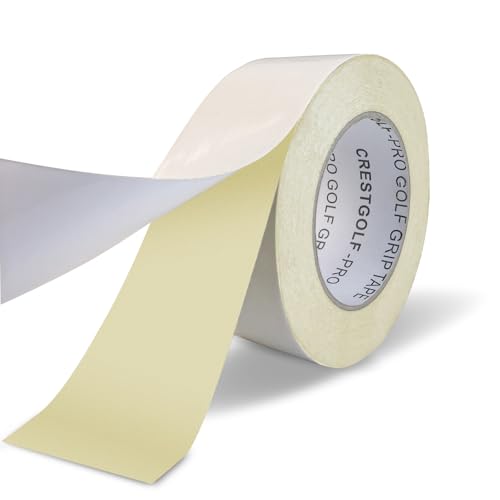 Crestgolf Golf Grip Tape Roll 2" x 18 Yards, Premium Solvent Activated Double Sided Adhesive Strips for Regripping Golf Clubs, Upgrade 1.2U Thickened Double Sided TapeCheck price on AmazonWe may earn a commission
Step-by-Step Plan: How to Change Golf Club Grips
1. Secure the Club Shaft: Clamp the club shaft firmly in your vise. If you have a rubber clamp insert, use it. What to look for: The club should be held securely enough that it won’t budge during the process, but not so tight that you risk crushing or bending the shaft. Mistake to avoid: Overtightening the vise. This is a common one that can lead to a bent shaft, which is a costly mistake to fix.
2. Remove the Old Grip: Using a sharp utility knife or a dedicated grip-stripping tool, carefully cut off the old grip. Start at the top (the butt end) and work your way down, slicing through the rubber. What to look for: A clean cut that allows you to peel the old grip off in one or two pieces. Mistake to avoid: Cutting towards yourself. Always keep the blade pointed away from your body to prevent serious injury. Safety first, always.
3. Scrape Off Residue: Peel away any remaining old grip material and tape residue from the club shaft. A plastic scraper, a putty knife, or even a bit of grip solvent can help loosen stubborn bits. What to look for: A completely clean metal shaft, free of any stickiness, old glue, or tape remnants. You want a smooth, bare surface. Mistake to avoid: Leaving any old tape residue behind. This will create an uneven surface, leading to a lumpy new grip and a less-than-ideal feel.
4. Apply New Double-Sided Tape: Wrap the double-sided grip tape around the shaft where the new grip will sit. Start at the butt end and overlap the tape by about half its width as you spiral down the shaft. Make sure it extends all the way to the end of the shaft. What to look for: Even, smooth coverage with no wrinkles or gaps. The tape should adhere well to the shaft. Mistake to avoid: Not extending the tape fully to the butt end of the shaft. This can create a soft spot or a place where the grip can eventually slip.
5. Lubricate for Installation: Pour a generous amount of grip solvent into the opening of the new grip. Swirl it around to coat the inside thoroughly. You can also spray a little bit of solvent onto the double-sided tape on the shaft. What to look for: Enough solvent to thoroughly lubricate the shaft and the inside of the grip, making it slick enough to slide on easily. Mistake to avoid: Using too little solvent. This will make it incredibly difficult to get the grip onto the shaft, and you might end up with air bubbles or a crooked grip.
6. Slide on the New Grip: Immediately after lubricating, quickly and firmly slide the new grip onto the taped shaft. Keep it moving with a steady push until it’s fully seated against the butt end of the club. What to look for: The grip should slide on smoothly and easily, all the way down to the end of the tape. It should feel like it’s seating properly. Mistake to avoid: Letting the solvent evaporate before the grip is fully on. If it starts to stick halfway down, you’re in for a wrestling match and likely won’t get it perfectly aligned.
 CHAMPKEY Premium Rubber Golf Grips 13 Pack | High Traction & Feedback | Standard/Midsize, 0.600" Round Core, 10.5" Length, 50g/55g Weight, 15 Tapes Included, White/BlackCheck price on AmazonWe may earn a commission
7. Align and Let It Cure: Once the grip is on, make sure the alignment markings or logo are positioned exactly where you want them. Give the club a gentle tap on the ground to ensure the grip is fully seated. Then, set the club aside in a well-ventilated area to allow the solvent to evaporate completely. What to look for: The grip is straight and perfectly aligned. The solvent should fully dry, creating a strong, permanent bond between the grip and the shaft. Mistake to avoid: Not allowing the grips to cure properly before using them. This is crucial! If you hit balls too soon, the solvent won’t have fully evaporated, and the grip could slip during your swing, which is dangerous and annoying.
How to Change Golf Club Grips: Avoiding Common Pitfalls
- Mistake: Not securing the club properly in the vise.
- Why it matters: If the club spins or moves while you’re trying to remove the old grip or install the new one, you could damage the shaft, lose your grip alignment, or even injure yourself. It turns a simple job into a frustrating ordeal.
- Fix: Use a vise with a rubber clamp insert to protect the shaft. Apply firm, consistent pressure – enough to hold the club steady, but not so much that you feel like you’re crushing it.
- Mistake: Using a dull knife to cut the old grip.
- Why it matters: A dull blade requires more force, making it harder to cut through the rubber. This dramatically increases the risk of the knife slipping and causing a nasty cut to your hand or fingers. Plus, it makes a mess.
- Fix: Always use a fresh, sharp utility knife blade. They slice through rubber like butter and are much safer to use.
- Mistake: Leaving old tape residue on the shaft.
- Why it matters: This is a big one. Any remaining old tape or glue creates an uneven surface. The new grip won’t sit flush, leading to a bumpy feel, potential air pockets, and a grip that might feel loose or slip over time.
- Fix: Be meticulous. Scrape and clean the shaft thoroughly until it’s completely smooth and bare metal. A little extra solvent can help dissolve stubborn residue.
- Mistake: Not using enough grip solvent.
- Why it matters: The solvent acts as a lubricant. If there isn’t enough, the new grip will be incredibly difficult to slide onto the shaft. You’ll struggle to get it fully seated, and you might end up with air bubbles or a grip that’s slightly twisted.
- Fix: Don’t be stingy with the solvent. Make sure the inside of the grip is well-coated and the tape on the shaft is slick. It’s better to use a bit too much than not enough.
- Mistake: Letting the solvent evaporate too soon.
- Why it matters: The solvent evaporates relatively quickly. If you pause too long between lubricating and sliding the grip on, the tape will start to grab, and the grip will stick halfway down the shaft, making proper alignment impossible.
- Fix: Work efficiently and decisively. Have everything ready to go – new grip, solvent, and the club. Once you apply the solvent, move immediately to install the grip.
- Mistake: Not letting the new grips cure properly before playing.
- Why it matters: This is probably the most common mistake for beginners. The solvent needs time to fully evaporate and create a strong, permanent bond. If you take the clubs to the range or course too soon, the grip can slip during your swing, which is not only frustrating but can also be dangerous.
- Fix: Patience is key. Allow at least 24 hours for the solvent to completely dry and the grip to bond to the shaft. I usually wait 48 hours just to be absolutely sure, especially if it’s humid.
- Mistake: Using the wrong type of tape or solvent.
- Why it matters: Standard masking tape or hardware store solvents might not be designed for golf grips. They could leave residue, not adhere properly, or even damage the grip material over time.
- Fix: Stick to dedicated golf grip tape and grip solvent. They are specifically formulated for this job and ensure the best results and longevity for your new grips.
FAQ
- How long does it typically take to change a golf club grip?
For a seasoned DIYer, changing a single grip can take as little as 5-10 minutes. If you’re doing your whole set for the first time, budget about 2-3 hours, including setup, cleanup, and the curing time.
- What essential tools and supplies do I need to change golf club grips at home?
You’ll absolutely need a vise with a rubber clamp, a sharp utility knife, double-sided golf grip tape, grip solvent, and, of course, your new replacement grips. A plastic scraper can also be a handy addition for cleaning.
- Can I use mineral spirits or denatured alcohol instead of specialized grip solvent?
Yes, you can often use mineral spirits or denatured alcohol as a substitute for grip solvent in a pinch. They work similarly to lubricate the shaft and tape. Just ensure they are safe for the rubber material of your grips, and always use them in a well-ventilated area.
- How many golf club grips can I expect to get out of one standard can of grip solvent?
A typical 16 oz can of grip solvent should be more than enough to regrip an entire set of 14 clubs, and likely more. You can usually get at least 15-20 grips out of a single can, depending on how liberally you apply it.
- Do I need to regrip all my golf clubs at once, or can I do them individually?
You don’t have to regrip your entire set at once. You can replace grips as they wear out on individual clubs. However, regripping your whole set simultaneously ensures a consistent feel and performance across all your clubs, which many golfers prefer.
- What happens if I don’t let the grips cure for long enough?
If you use your clubs before the solvent has fully evaporated and the grip has bonded properly, the grip can slip during your swing. This can lead to mis-hits, reduced control, and potentially a dangerous situation if the club head spins around. It’s a critical step for safety and performance.
- How do I know when my golf club grips need to be replaced?
Look for signs of wear: they might feel slick or shiny, lose their tackiness, become cracked or torn, or feel generally hard and uncomfortable. If you’re losing feel or the grips aren’t providing sufficient traction, it’s time for a change.

Michael Reeves is a PGA Professional with over 20 years of experience in competitive golf and instruction. A former Division I collegiate player at the University of Texas, he competed on the mini-tours before transitioning to full-time coaching and golf journalism. He has been a certified PGA teaching professional since 2005 and has worked with players at every level, from absolute beginners to collegiate champions.
His writing has appeared in Golf Digest, Golf Magazine, and The Left Rough. At GolfHubz, Michael leads the editorial team, overseeing fact-checking and ensuring every answer meets the same standard he demands on the lesson tee: clear, evidence-based, and immediately useful.
When he’s not writing or teaching, Michael plays to a +1.4 handicap at his home club in Austin, Texas. He has attended over 40 major championships as a journalist and fan, and has played more than 200 courses across 15 countries.
You can reach Michael at [email protected] or follow his occasional swing analysis posts on the site.