Ping Golf Clubs: Decoding The Meaning Of Color Dots
← Golf Equipment | Golf Clubs
BLOCKQUOTE_0
Quick Answer
- Ping color dots are a visual shorthand for club specifications, most importantly, the lie angle.
- Each color corresponds to a specific degree adjustment from Ping’s standard lie angle.
- These dots are a key indicator of how your Ping clubs are fitted to your individual swing.
Who This Is For
- Golfers who own Ping irons or wedges, or are considering buying them.
- Anyone looking to understand the nuances of their golf equipment fit for better performance.
What Do Ping Color Dots Mean?
Alright, let’s cut to the chase. Those little colored dots on your Ping irons and wedges aren’t just for show. They’re a quick way for you, or your club fitter, to know the lie angle of that specific club [1]. Think of it as a secret code that tells you how the club is set up to match your swing.
Those little colored dots on your Ping irons and wedges aren’t just for show; they’re a quick way to know the lie angle of that specific club. If you’re looking to get the most out of your Ping golf clubs, understanding these dots is crucial.

TaylorMade Golf SIM 2 MAX IRON SET MENS RIGHT HAND STEEL REGULAR 5-PW, AW
- Cap Back Design – The all-new multi-material Cap Back Design utilizes high-strength stainless steel and ultralight weight polymers. Designed to maximize distance, forgiveness and feel with an extremely low CG.
- Fast Forgiving Face – The all-new SIM2 Max irons use a fast and forgiving face to give golfers more performance exactly where they need it.
- New ECHO Damping System – The new ECHO Damping System uses a softer polymer blend and multiple contact points across the face to channel away harsh vibrations creating forged iron like feel.
- Thru-Slot Speed Pocket – Patented TaylorMade technology engineered to maximize face flexibility for increased ball speed and forgiveness for mishits low on the face.
- Progressive Inverted Cone Technology – Each face has been uniquely designed to position the Inverted Cone Technology (ICT) on each iron face to optimize forgiveness and minimize side spin to counteract the common right miss.
- Spot the Dot: First, you gotta find it. Look on the hosel – that’s the part where the shaft connects to the clubhead. You’ll see a small, colored dot stamped there.
- Decode the Color: Each color means something different. You’ll need a Ping color code chart to translate that color into a specific lie angle adjustment. I’ve got one saved on my phone; it’s a lifesaver when checking out used clubs [2].
- More Than Just a Dot: This system helps ensure your clubs are working with you, not against you. A proper lie angle means the clubface is square to your target at impact, which is, you know, kinda important for hitting it straight.
Each color means something different, and you’ll need a Ping color code chart to translate that color into a specific lie angle adjustment. Having the right Ping wedges with the correct lie angle can significantly improve your game.
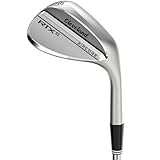
Cleveland Golf RTX 6 Zipcore Wedge, Tour Satin, 56 Degrees, Mid, Right Hand
- HydraZip A new, dynamic blast and laser-milled line system creates roughness to enhance friction—maximizing spin in any conditions and from anywhere around the green. Visually, RTX 6 ZipCore Wedge faces are more matte than last generation, reducing glare at address and standing out more from the hosel and toe par.
- ZipCore Our proprietary, low-density core technology has exponentially evolved for RTX 6 ZipCore, with up to 95% more ZipCore material. And by setting the CG right where you strike the ball, plus increasing MOI by up to 20%, this generation offers players increased spin, distance, consistency, feel, and control on every shot.
- UltiZip UltiZip features grooves that are sharper, deeper, and more tightly spaced. They slice through debris and bite harder for enhanced spin and control; channel more debris for better shot consistency; and are set closer together (compared to past TourZip Groove designs) so we can fit two more on the face for greater edge contact and absolute spin performance.
Step-by-Step Plan To Understanding Ping Color Dots
Ready to get your gear dialed in? It’s a pretty straightforward process.
1. Locate the Dot: Grab the Ping iron or wedge you want to check. Scan the hosel for a small, colored dot. Mistake to avoid: Don’t mistake dirt, paint fill from a previous adjustment, or a scuff mark for the official Ping dot. It’s usually a clean, stamped mark.
2. Identify the Color: Note the exact color of the dot. Is it black, blue, green, orange, red, or something else? Mistake to avoid: Trying to identify the color in dim lighting or on a dirty club. Give it a good clean and find some decent light.
3. Access the Official Ping Chart: This is crucial. You need the official Ping color code chart. The best place to get this is directly from the Ping website, or you can ask a certified Ping club fitter. Mistake to avoid: Using a random chart you found on a forum or an old magazine. Ping’s system is specific, and outdated info can lead you astray.
4. Match Color to Lie Angle: Once you have your club’s color and the official chart, line them up. The chart will show you the corresponding lie angle adjustment in degrees relative to Ping’s standard. Mistake to avoid: Assuming the color code is universal across all golf brands. Ping has its own system.
5. Understand the Lie Angle Adjustment: The chart will tell you if the dot indicates a flatter or more upright lie angle. For instance, a blue dot typically signifies an upright lie angle, while a red dot usually means a flatter lie angle, compared to Ping’s standard [3]. Mistake to avoid: Thinking the dot is just a cosmetic detail. It represents a tangible change in the club’s geometry.
6. Connect to Your Swing: Now, think about your swing. Do you hit the ball consistently thin, fat, or to the right/left? The lie angle indicated by the dot can be a major factor. If your ball flight is off, the dot might be giving you a clue why. Mistake to avoid: Overlooking how your natural swing plane interacts with the club’s lie angle.
7. Verify with a Professional: If you’re still scratching your head or if the clubs are used and you want to be sure, take them to a qualified golf professional or a Ping-certified club fitter. They can confirm the dot’s meaning and assess if the lie angle is truly optimized for your swing [4]. Mistake to avoid: Making assumptions or trying to bend the clubs yourself without knowing what you’re doing. It’s easy to damage them.
Decoding Ping Iron Color Codes and Dot Meanings
These color codes are a big deal for getting your clubs dialed in. They’re not just random colors; they’re specific fitting indicators that Ping has used for years. Understanding Decoding Ping Golf Club Color Codes helps you appreciate the thought that goes into club fitting. It’s all about making the equipment work for your unique motion.
Common Mistakes In Decoding Ping Color Dots
Don’t get caught out by these common slip-ups. They’re easy to make if you’re not paying attention.
- Mistake: Ignoring the dot altogether.
- Why it matters: You’re missing a critical piece of fitting information that Ping engineered into your clubs. This could be why your shots aren’t flying as straight or as far as they could.
- Fix: Make it a habit to check for the color dot on any Ping iron or wedge you own or are considering. It’s a quick visual check that can save you a lot of guesswork.
- Mistake: Using an unofficial or outdated color chart.
- Why it matters: Ping’s color-to-lie angle mapping is specific. Using the wrong chart means you’ll misinterpret the lie angle, potentially leading to incorrect assumptions about your fit and even misguided swing thoughts.
- Fix: Always source your color code chart from Ping’s official website or a reputable, authorized Ping dealer. Make sure the chart is current.
- Mistake: Confusing similar colors.
- Why it matters: Some colors on the chart are very close, and the difference in lie angle between them can be significant enough to affect your ball flight. For example, a slight variation might mean the difference between a perfectly square clubface and one that’s slightly open or closed at impact.
- Fix: Examine the dot in bright, natural light. Compare it directly against a printed or high-resolution digital version of the official chart. Don’t guess if two colors look almost identical.
- Mistake: Assuming the dot applies to all Ping clubs.
- Why it matters: The color dot system is primarily used for Ping irons and wedges to denote lie angle. Drivers, fairway woods, and hybrids have different fitting considerations and may not use this specific color-coding system.
- Fix: Focus your color dot interpretation on irons and wedges. For other clubs, you’ll need to consult their specific fitting guides or look for different markings.
- Mistake: Thinking the dot’s lie angle is set in stone forever.
- Why it matters: While the dot indicates the lie angle at the time of manufacturing or fitting, a club’s lie angle can be adjusted by a qualified club fitter. If you buy used clubs or if your swing changes significantly, the indicated lie angle might no longer be optimal.
- Fix: If you suspect your lie angle is off, or if you’ve had a fitting and your swing has evolved, seek out a professional club fitter. They can measure your current lie angle and adjust it if necessary, regardless of the original dot color.
- Mistake: Not understanding what lie angle means for your game.
- Why it matters: Knowing the color dot is one thing; understanding its impact on your shots is another. If the lie angle is too upright, your hands might be too high at address, leading to shots pulled left. Too flat, and your hands might be too low, causing pushes right.
- Fix: Educate yourself on the basics of lie angle. Read up on how it affects ball flight and compare it to your typical shot patterns. This knowledge will help you better interpret the dot and communicate with fitters.
FAQ
- What is the standard lie angle for Ping clubs?
Ping’s standard lie angle can vary slightly by club model and player height, but for many of their irons, it’s around 62 degrees. The color dots indicate deviations from this standard, typically in half-degree increments. For example, a black dot is standard, a blue dot is one degree upright, and a green dot is two degrees upright.
- How do I find a Ping color code chart?
The most reliable source is the official Ping Golf website. They usually have a section dedicated to fitting and specifications where you can download or view the current color code chart. Authorized Ping dealers and club fitting facilities will also have these charts readily available.
- Can the color dots change over time?
The stamped color dot itself is permanent on the clubhead. However, the lie angle it represents can be changed if the club is bent by a qualified club fitter. If you acquire used clubs, the lie angle might have been adjusted from its original setting. Always verify with a fitter if you’re unsure.
- Do all Ping clubs have color dots?
No, the color dot system is primarily associated with Ping irons and wedges to indicate lie angle fitting. Other Ping club categories, such as drivers, fairway woods, hybrids, and putters, utilize different fitting systems or markings to denote their specifications.
- What if I have clubs with different colored dots in my set?
Having different colored dots within your set of irons or wedges means those clubs are fitted with different lie angles. This is common if you’ve purchased clubs individually over time, if the set was custom-fitted for you at different points, or if clubs have been adjusted. Understanding Decoding Ping Iron Color Codes and Dot Meanings can help you make sense of how these different angles might affect your game.
- How much does a lie angle adjustment typically cost?
The cost can vary depending on the club fitter and your location. Generally, a single club lie angle adjustment might range from $10 to $25. It’s always best to call ahead and get a quote from your local club repair shop or fitting center.
Sources:
[1] keyword | Decoding Ping Golf Clubs: Understanding the Meaning of Dots | https://golfhubz.com/decoding-ping-golf-clubs-understanding-the-meaning-of-dots
[2] keyword | Decoding Ping Golf Club Color Codes | https://golfhubz.com/decoding-ping-golf-club-color-codes
[3] keyword | Understanding Ping Iron Color Codes (Dots) | https://golfhubz.com/decoding-ping-iron-color-codes-and-dot-meanings
[4] keyword | Decoding Ping Iron Color Codes and Dot Meanings | https://golfhubz.com/decoding-ping-iron-color-codes-and-dot-meanings

Michael Reeves is a PGA Professional with over 20 years of experience in competitive golf and instruction. A former Division I collegiate player at the University of Texas, he competed on the mini-tours before transitioning to full-time coaching and golf journalism. He has been a certified PGA teaching professional since 2005 and has worked with players at every level, from absolute beginners to collegiate champions.
His writing has appeared in Golf Digest, Golf Magazine, and The Left Rough. At GolfHubz, Michael leads the editorial team, overseeing fact-checking and ensuring every answer meets the same standard he demands on the lesson tee: clear, evidence-based, and immediately useful.
When he’s not writing or teaching, Michael plays to a +1.4 handicap at his home club in Austin, Texas. He has attended over 40 major championships as a journalist and fan, and has played more than 200 courses across 15 countries.
You can reach Michael at [email protected] or follow his occasional swing analysis posts on the site.