DIY Guide: Replacing Your Putter Grip
← Golf Equipment | Golf Clubs
BLOCKQUOTE_0
Quick Answer
- Rip off the old grip with a utility knife after loosening the adhesive with solvent.
- Wrap the shaft with double-sided tape, soak it with solvent, and slide the new grip on.
- Save some cash and get the feel you want. Easy peasy.
Who This Putter Grip Replacement Guide Is For
- Golfers who want to save a few bucks on equipment maintenance without sacrificing performance.
- Players looking to customize their putter for a better feel, a different texture, or a specific size that suits their hands.
What to Check First Before Replacing Your Putter Grip
- New Grip Selection: Before you even think about tools, make sure the new grip you’ve chosen is exactly what you want. Check the size (standard, midsize, jumbo) and the material. Do you prefer a softer, tackier feel, or something firmer and more traditional? This is your chance to dial in your putter’s feel.
- Grip Solvent: You absolutely need dedicated grip solvent. Don’t try to improvise with mineral spirits or Goo Gone; they can degrade the rubber on your new grip or not dissolve the old adhesive properly. Make sure you have enough – it’s better to have a little extra than to run out mid-job. A standard 16 oz bottle is usually plenty for a few grips.
- Double-Sided Grip Tape: This is non-negotiable. You need fresh, specifically designed double-sided grip tape for golf clubs. Old tape won’t stick well, and you’ll end up with a grip that feels loose or slides around. You can buy rolls of it pretty cheap.
- Essential Tools: You’ll need a vise with a rubber shaft clamp to hold your putter securely without damaging the shaft. A sharp utility knife is crucial for removing the old grip. You might also want a hook blade for more precision if you’re worried about nicking the shaft. A rag or paper towels are handy for cleanup.
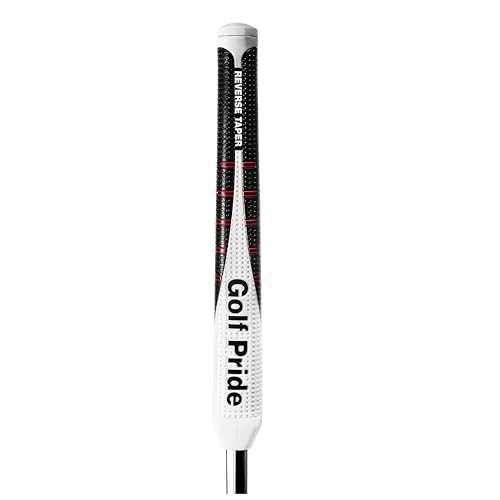 Golf Pride Reverse Taper Golf Putter Grip - Unique Shape to Optimize Both Hands - Tacky Dimpled Surface Texture - Large - FlatCheck price on AmazonWe may earn a commission
Step-by-Step Plan: How to Replace Your Putter Grip
1. Secure the Putter Shaft: Clamp the putter shaft firmly in your vise. It’s crucial to use a rubber shaft clamp between the vise jaws and the shaft. This prevents the vise from crushing or scratching your putter’s shaft, which is an expensive mistake to make. Ensure the putter is stable and won’t move around while you’re working on it. You want it solid, but not so tight that you’re deforming the shaft.
- What to look for: The putter shaft is held securely in place without any wobble, and the shaft clamp is protecting the shaft from direct metal contact.
- Mistake to avoid: Overtightening the vise without a shaft clamp, which can lead to a bent or cracked shaft. That’s a costly error you don’t want.
2. Remove the Old Putter Grip: Grab your utility knife. Position the blade at the butt end (the top) of the old grip. Carefully slice straight down the length of the grip, all the way to the bottom near the clubhead. The goal is to cut through the grip material only, not to dig into the shaft itself. You might need to make a second cut if the grip is particularly thick or stubborn.
- What to look for: The old grip material is cut cleanly and is starting to peel away from the shaft.
- Mistake to avoid: Cutting too deep with the utility knife, which can easily gouge or scratch the shaft, affecting its integrity and appearance.
3. Peel Away Old Grip Material: Once you’ve made your lengthwise cut (or cuts), you can start peeling the old grip off the shaft. Most of the time, it will come off in one piece or in large sections. If there are any stubborn bits clinging to the shaft, you can use your utility knife carefully to help lift them away. Work slowly and deliberately to avoid damaging the shaft.
- What to look for: All the rubber or rubber-like material of the old grip is completely removed from the shaft.
- Mistake to avoid: Leaving behind any remnants of the old grip material or adhesive, as this will create an uneven surface for your new grip.
4. Scrape and Clean the Shaft: This is a critical step for a professional finish. After removing the old grip, you’ll likely find residue from the old double-sided tape and adhesive. Use your utility knife to carefully scrape away all of this residue. Once you’ve scraped it clean, wipe down the entire shaft with a clean rag to remove any dust or debris. A perfectly smooth shaft is essential for the new grip to adhere properly and feel seamless.
- What to look for: A completely smooth, clean, and dry shaft surface, free of any sticky residue or tape fragments.
- Mistake to avoid: Skipping this step and leaving old tape or adhesive on the shaft. This will prevent the new grip from seating correctly and can lead to it feeling loose or developing blisters.
5. Apply New Double-Sided Tape: Take your roll of double-sided grip tape. Start at the bottom of the shaft (near the clubhead) and begin wrapping the tape around the shaft, working your way up towards the butt end. Overlap each revolution of tape by about one-third to one-half of its width. Ensure the tape is applied smoothly, without wrinkles or air bubbles. The tape should extend all the way to the very top of the shaft.
- What to look for: A uniform layer of double-sided tape covering the entire shaft, with smooth, consistent overlaps and no gaps.
- Mistake to avoid: Not overlapping the tape enough, which can leave small gaps where solvent can escape prematurely, or not covering the entire shaft, leading to an uneven grip.
6. Saturate with Grip Solvent: This is where the magic happens. Take your grip solvent and generously pour it over the double-sided tape you just applied. You want the tape to be completely saturated. Then, take your new putter grip and pour some solvent into the opening at the butt end. You want the inside of the grip to be thoroughly wetted as well. Don’t be shy with the solvent; it acts as a lubricant and helps the tape dissolve, allowing the grip to slide on easily.
- What to look for: Solvent dripping freely down the shaft from the tape and pooling slightly at the bottom. The inside of the grip should feel slick.
- Mistake to avoid: Under-applying the solvent. If the tape isn’t sufficiently wet, the grip will stick prematurely, making it difficult or impossible to slide on fully and correctly.
7. Install the New Putter Grip: Act quickly now that everything is wet. Take the solvent-drenched grip and immediately slide it onto the solvent-soaked shaft. Start by inserting the butt end of the shaft into the opening of the grip. Push the grip down firmly and evenly, all the way until the butt end of the grip is flush with the end of the shaft. You can give it a slight twist as you push to help it slide.
- What to look for: The grip slides smoothly and easily down the shaft without any sticking or resistance. It should go all the way down to the end of the shaft.
- Mistake to avoid: The grip getting stuck halfway down the shaft. If this happens, you’ll need to pull it off, re-wet the tape and inside of the grip thoroughly, and try again.
8. Align and Allow to Dry: Once the grip is fully seated, take a moment to align it perfectly. Look at the alignment aids on the grip and ensure they are straight relative to the face of your putter. Make any minor adjustments now. Let the putter sit undisturbed to allow the solvent to evaporate and the adhesive to bond the grip to the shaft. I usually leave mine for at least 4-6 hours, but overnight is the safest bet to ensure it’s completely dry and secure.
- What to look for: The grip is perfectly straight, with any alignment markings positioned correctly. The grip should feel firm and not shift when you gently tug on it.
- Mistake to avoid: Rushing the drying process. If you take the putter out too soon, the grip might not be fully adhered, leading to a loose feel or even shifting during your stroke.
How to Replace Your Putter Grip Like a Pro
Common Mistakes When Replacing Your Putter Grip
- Not using enough solvent — The grip might not slide on easily or adhere properly, and you’ll fight with it the whole way. This is the most common pitfall. Apply liberally to both the tape and the inside of the grip. You want it to be a slip-and-slide situation.
- Using the wrong type of solvent — Using something other than dedicated golf grip solvent can damage the new grip’s material or fail to properly dissolve the old adhesive. Stick to the stuff made for the job. Check the packaging on your new grips for specific recommendations.
- Incomplete removal of old tape — Leaving any residual tape or adhesive on the shaft will create bumps and an uneven surface. The new grip may not seat evenly or feel stable, and it can lead to premature wear. Scrape and clean the shaft thoroughly until it’s perfectly smooth.
- Not overlapping tape enough — This can lead to the grip not sealing properly at the edges or feeling loose. Ensure a slight overlap (about one-third to one-half the tape width) when applying the tape to create a continuous barrier.
- Not pushing the grip all the way down — This is a visual and tactile issue. It can result in an uneven feel and alignment problems if the butt of the grip isn’t flush with the end of the shaft. Make sure the grip is fully seated, all the way to the end.
- Using a dull knife — A dull utility knife requires more force, increasing the risk of slipping and cutting yourself or, worse, the shaft. Keep your blade sharp for clean, easy cuts.
- Not waiting for it to dry — Patience is a virtue, especially with golf equipment. Trying to use a freshly installed grip before the solvent has fully evaporated and the adhesive has bonded can lead to a loose or misaligned grip. Give it the time it needs.
FAQ
- What is the best type of solvent for replacing a putter grip?
The best solvent is specifically labeled as “golf grip solvent.” These are formulated to dissolve the old adhesive without damaging the rubber or plastic compounds in either the old or new grip. They also act as a lubricant to help the new grip slide on smoothly. Always check the instructions on your new grip packaging, as some manufacturers may have specific recommendations or warnings.
- How long does it take for a new putter grip to dry?
The drying time for a new putter grip can vary depending on the type of solvent used, the ambient temperature, and humidity. Generally, it takes about 4 to 6 hours for the solvent to evaporate and the grip to feel securely adhered. However, for optimal results and to ensure a completely solid bond, it’s best to let the grip dry overnight (12-24 hours) before using the putter.
- Can I use a hairdryer to speed up the drying process?
It is generally not recommended to use a hairdryer or any direct heat source to speed up the drying process of a new putter grip. Many grip materials, especially softer rubber compounds, can be damaged or deformed by excessive heat. This can lead to a loss of tackiness, changes in texture, or even melting. It’s always best to let the grip air dry naturally in a well-ventilated area.
- How do I know if I need to replace my putter grip?
Several signs indicate it’s time for a new putter grip. If your current grip feels slick or lacks tackiness, even when dry, it’s time for a change. Cracks, tears, or significant wear patterns are also clear indicators. If the grip feels loose or spongy, or if you notice it rotating independently of the shaft during your swing, it’s definitely due for replacement. A good grip is essential for consistent hand placement and feel.
- Can I reuse the old grip tape?
No, you absolutely should not reuse old grip tape. Golf grip tape is designed to be a single-use adhesive. Once removed, it loses its stickiness and can be very difficult to reposition or reapply effectively. Old tape may also leave behind residue that interferes with the new tape’s adhesion. Always start with fresh, double-sided golf grip tape for a secure and long-lasting installation.
- What if the new grip is difficult to slide on?
If your new grip is sticking and not sliding on easily, the most likely culprit is insufficient solvent. You’ll need to pull the grip off (if it’s not fully on) and re-saturate the tape and the inside of the grip with more solvent. Make sure the tape is thoroughly soaked. Sometimes, a gentle twisting motion as you push can help it slide more smoothly. If it’s still proving difficult, ensure you haven’t applied the tape too tightly or smoothly that it’s sealed itself before you added solvent.
- Can I replace multiple putter grips at once?
Yes, you can absolutely replace multiple putter grips at once. In fact, it’s often more efficient to do so. Just repeat the process for each putter you want to re-grip. Make sure you have enough solvent and tape for all the grips you plan to replace. This is a great way to refresh your entire bag of clubs.
Sources:
DIY Guide: How to Remove and Replace a Putter Grip
How to Replace A Putter Grip: Step-by-Step Guide

Michael Reeves is a PGA Professional with over 20 years of experience in competitive golf and instruction. A former Division I collegiate player at the University of Texas, he competed on the mini-tours before transitioning to full-time coaching and golf journalism. He has been a certified PGA teaching professional since 2005 and has worked with players at every level, from absolute beginners to collegiate champions.
His writing has appeared in Golf Digest, Golf Magazine, and The Left Rough. At GolfHubz, Michael leads the editorial team, overseeing fact-checking and ensuring every answer meets the same standard he demands on the lesson tee: clear, evidence-based, and immediately useful.
When he’s not writing or teaching, Michael plays to a +1.4 handicap at his home club in Austin, Texas. He has attended over 40 major championships as a journalist and fan, and has played more than 200 courses across 15 countries.
You can reach Michael at [email protected] or follow his occasional swing analysis posts on the site.