DIY Golf: How to Change Your Golf Grips at Home
← Golf Equipment | Golf Clubs
BLOCKQUOTE_0
Quick Answer
- Give your clubs a new lease on life by swapping out worn grips. Better feel, better control. Simple as that.
- You’ll need a few key items: a vise with a grip clamp, some grip solvent, double-sided tape, a sharp utility knife, and your shiny new grips.
- The process itself is pretty straightforward: strip the old, prep the shaft, tape it up, and slide on the new ones with a little solvent magic.
Who This is For
- You, the golfer who’s noticed your grips are getting slicker than a greased otter or are just plain beat up. Time to show your clubs some love.
- Anyone who likes saving a buck and learning a handy skill. Club maintenance is part of the game, and this is an easy win.
What to Check First
- Grip Size and Type: This is crucial. Make sure you’ve got the right size for your hands and the type of feel you want. Don’t just grab the first ones you see.
- Ventilation Station: Grip solvent has fumes, and they ain’t pleasant. Open up that garage door, head outside, or find a breezy spot. Your lungs will thank you.
- Vise Grip: Your vise needs a rubber grip clamp. Seriously. A metal clamp will chew up your clubhead faster than a squirrel on an acorn. I learned that the hard way once.
- New Grip Prep: Some grips have specific instructions. Check the packaging. A few might need a quick wipe-down or a specific prep step before you even think about installing them.
Step-by-Step Plan for Changing Golf Grips at Home
Alright, let’s get down to business. This isn’t rocket science, but a little care goes a long way.
1. Secure the Club: Clamp your club shaft firmly in the vise, making sure the rubber grip clamp is positioned correctly. You want it snug enough so the club doesn’t budge, but don’t go Hulk-smash on it. Overtightening can really mess up the shaft, especially if it’s graphite. That’s a big no-no.
2. Strip the Old Grip: Grab your utility knife. Carefully slice along the length of the old grip, from the butt end down to the hosel. Peel off the old rubber. Always cut away from your body. Nobody needs a trip to the ER over a golf club.
3. Clean the Shaft: This is where you get rid of all that sticky residue from the old grip and tape. Use a scraper or a rag with a bit of solvent. If you leave any gunk behind, your new tape won’t adhere properly, and your new grip might feel weird or even start to slip later on. Gotta be clean.
4. Apply New Grip Tape: Take your double-sided grip tape and wrap it around the shaft, starting at the butt end. Overlap the tape by about a quarter-inch as you work your way down. Smooth it out as you go. You want a nice, even surface for the new grip.
5. Soak it with Solvent: Now for the magic. Generously spray or pour grip solvent onto the tape you just applied and also inside the new grip. You want it good and wet. The solvent acts as a lubricant, allowing the grip to slide on smoothly. Don’t be shy here; it’s all going to evaporate.
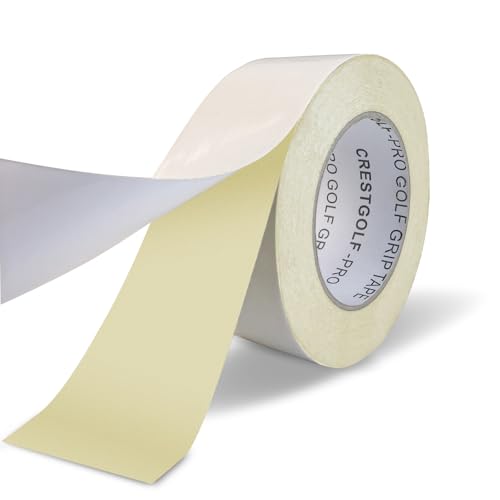 Crestgolf Golf Grip Tape Roll 2" x 18 Yards, Premium Solvent Activated Double Sided Adhesive Strips for Regripping Golf Clubs, Upgrade 1.2U Thickened Double Sided TapeCheck price on AmazonWe may earn a commission
6. Slide on the New Grip: This is the satisfying part. Take your new grip and slide it onto the solvent-lubricated tape. Push it all the way down until it hits the butt end of the shaft. A little bit of solvent should ooze out the bottom – that’s a good sign it’s fully seated.
7. Position and Let it Cure: Get the grip aligned just right with your clubface. Then, let it sit. Most grips need at least 24 hours to dry completely and cure properly. Resist the urge to go whack balls immediately. Patience is a virtue, especially when it comes to your golf clubs.
How to Change Golf Grips at Home: Tips and Tricks
Doing this yourself can save you a good chunk of change compared to a pro shop. It’s a skill worth having for any serious golfer. Plus, you can customize your clubs exactly how you like them. It’s not just about function; it’s about making your clubs feel like an extension of your own hands.
Common Mistakes
- Poor Ventilation — Breathing in solvent fumes is nasty business and can leave you feeling lightheaded and sick. — Always perform this in a well-ventilated area, like an open garage or outdoors. No exceptions.
- Wrong Solvent — Using something other than dedicated grip solvent (or a recommended alternative like mineral spirits) can damage your new grips or even the club shaft itself. — Stick to the grip manufacturer’s recommendations. They know their stuff.
- Incomplete Tape Removal — Leaving old tape residue is a surefire way to get a grip that feels uneven or, worse, starts to peel or slip down the road. — Scrape and clean the shaft until it’s as smooth as a billiard ball.
- Not Enough Solvent — If you skimp on the solvent, the grip will stick to the tape before it’s fully on the shaft. This can lead to air bubbles, a poor fit, or a grip that’s not seated all the way down. — Be generous with the solvent; it’s designed to evaporate and won’t affect the final grip.
- Overtightening Vise — Clamping the club too hard, especially a graphite shaft, can cause cracks or deformation. Nobody wants a busted club. — Use firm pressure to prevent slippage, but don’t try to crush the shaft. The rubber clamp is your friend here.
- Forcing the Grip — If the grip isn’t sliding on easily, you probably need more solvent or the tape isn’t smooth. Don’t force it; you could tear the grip. — Add more solvent and ensure the tape is laid flat.
- Incorrect Grip Alignment — Putting the grip on crooked is an easy fix if caught early, but a pain if you have to do it all over. — Take your time aligning the grip before it starts to set.
FAQ
- How often should I change my golf grips?
This is the million-dollar question. It really depends on how much you play, where you play (sandy courses can wear them out faster), and how much you sweat. A general rule of thumb is every 40 rounds or at least once a year if you play regularly. If your grips feel slick, you’re losing distance, or you’re just not getting that confident feel anymore, it’s time. Don’t wait until you’re slipping on your backswing.
- What are the essential tools for changing golf grips?
You absolutely need a vise with a rubber grip clamp (this is non-negotiable to protect your clubs), grip solvent (or a recommended alternative), double-sided grip tape specifically for golf clubs, a sharp utility knife or blade, and of course, your brand-new grips. A hook blade on your utility knife can make removing old grips a bit easier.
- Can I use mineral spirits instead of grip solvent?
Often, yes. Many grip manufacturers state that mineral spirits are an acceptable and effective alternative to specialized grip solvent. It’s always best to check the instructions that come with your new grips, but mineral spirits are usually a safe bet and can be easier to find. Just make sure they are pure mineral spirits.
- How do I know if I have the right grip size?
Standard size grips fit most golfers. However, if you have larger hands, you might find midsize or jumbo grips more comfortable and easier to control. Conversely, if you have smaller hands, you might prefer a reduced grip size. It’s largely a matter of personal preference and what feels most comfortable and secure in your hands. Some golfers also add layers of tape under the grip to build up the size.
- Do I need a special vise for this?
You need a vise, and it must have a rubber grip clamp or a shaft clamp attachment. This is crucial for holding the club securely without damaging the shaft or the clubhead. Standard bench vises can work perfectly fine if you have the correct clamp. You can often find these clamps as an accessory for your existing vise.
- How long does it take to change one grip?
Once you’ve done it a couple of times, you can probably change a single grip in about 10-15 minutes, including cleanup. The main waiting time is for the grip to dry and cure, which is typically 24 hours. So, the actual hands-on work is pretty quick.
- Can I reuse my old grip tape?
No, you really shouldn’t. Old grip tape loses its tackiness and can be difficult to remove cleanly. Using fresh, double-sided grip tape ensures proper adhesion and a secure installation for your new grips. It’s a small cost for a critical step.
Sources:
- DIY Golf: How to Replace Golf Grips at Home: golfhubz.com

Michael Reeves is a PGA Professional with over 20 years of experience in competitive golf and instruction. A former Division I collegiate player at the University of Texas, he competed on the mini-tours before transitioning to full-time coaching and golf journalism. He has been a certified PGA teaching professional since 2005 and has worked with players at every level, from absolute beginners to collegiate champions.
His writing has appeared in Golf Digest, Golf Magazine, and The Left Rough. At GolfHubz, Michael leads the editorial team, overseeing fact-checking and ensuring every answer meets the same standard he demands on the lesson tee: clear, evidence-based, and immediately useful.
When he’s not writing or teaching, Michael plays to a +1.4 handicap at his home club in Austin, Texas. He has attended over 40 major championships as a journalist and fan, and has played more than 200 courses across 15 countries.
You can reach Michael at [email protected] or follow his occasional swing analysis posts on the site.