Cost of Golf Club Regripping Services
← Golf Equipment | Golf Clubs
BLOCKQUOTE_0
Quick Answer
- Regripping your golf clubs typically costs between $3 and $15 per club, depending on the grip and service.
- The total price hinges on how many clubs you’re doing, the grip material, and whether you DIY or hire a pro.
- DIY regripping saves money, but professional services ensure a quality job and offer a wider grip selection.
Who This Is For
- Golfers looking to refresh their clubs for better feel, control, and performance on the course.
- Anyone wanting to understand the investment required for essential golf club maintenance.
- Players deciding whether to tackle the regripping project themselves or pay for professional service.
What to Check First for Golf Club Regripping Costs
- Club Count: Get a solid number on how many clubs in your bag actually need new grips. A full set is 14, but maybe just a few are worn out.
- Grip Style: Decide on the material and type you want. Standard rubber, corded for extra tack, or maybe a fancy synthetic? This impacts price.
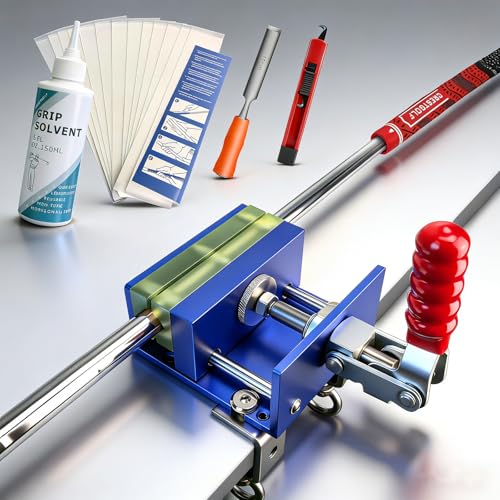
- DIY Supply Costs: If you’re going the DIY route, price out the grip kits, double-sided tape, and solvent. Don’t forget a vise and grip clamp if you don’t have ’em.
- Professional Shop Rates: If you’re taking them in, call around. See what local golf shops or club repair services charge for both the grips and the installation labor.
- Putter Grip: Always remember the putter. It often has a different, sometimes larger, grip that can have its own price point.
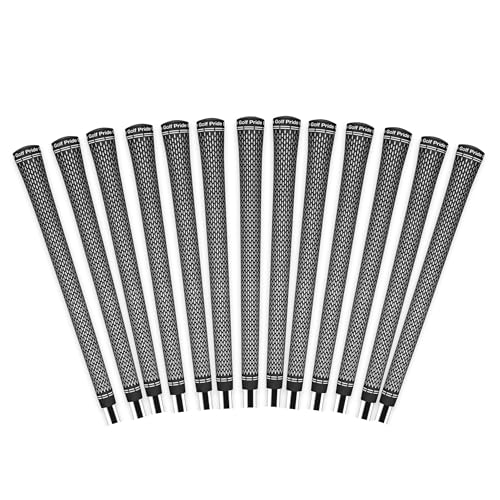 Golf Pride Tour Velvet 360 Golf Grip - Durable, Comfortable Grip Set for Clubs - Features Non-Slip Technology & a Softer Feel - Standard - White - 13 PackCheck price on AmazonWe may earn a commission
Step-by-Step Plan: How Much to Get Golf Clubs Regripped
- Action: Tally up the number of golf clubs in your bag that are showing signs of wear and tear on their grips.
- What to look for: A standard golf set has 14 clubs. Check each one, including fairway woods, hybrids, irons, wedges, and your driver.
- Mistake: Only counting your irons and forgetting your woods or wedges. Every club needs a good grip for consistent play.
- Action: Research the price range for standard golf grips.
- What to look for: Most basic, reliable rubber grips fall in the $3 to $8 per grip range. Brands like Golf Pride, Lamkin, and Winn offer solid entry-level options.
- Mistake: Assuming all grips are priced the same. Some brands are pricier from the get-go, and certain textures or sizes can bump up the cost even for standard models.
- Action: Explore the cost of premium or specialized golf grips.
- What to look for: Grips with advanced technologies, such as vibration dampening, alignment aids (like raised ribs), or exotic materials, can add $5 to $10 or more per grip. Oversized or jumbo grips also tend to be at the higher end.
- Mistake: Not factoring in the higher price of grips with specific performance features you might want. These can really add up across a full set.
- Action: Investigate the cost of installation labor if you’re not doing it yourself.
- What to look for: Professional installation fees typically range from $2 to $5 per club. Some shops might offer a slight discount if you’re regripping a full set at once.
- Mistake: Only considering the price of the grips themselves and forgetting the labor charge. This is a common oversight that leads to sticker shock.
- Action: Calculate the total cost for DIY supplies.
- What to look for: A comprehensive DIY grip kit, usually including a dozen grips, grip tape, and solvent, can cost anywhere from $30 to $70. You’ll also need a vise with a shaft clamp, which is a one-time purchase if you don’t already own one.
- Mistake: Underestimating the cost of all the necessary supplies. Beyond the grips, tape, and solvent, you might need a utility knife, a bench vise, and a rubber mallet. The initial investment in tools can be a chunk, but pays off over time.
- Action: Get a quote from a professional club repair service.
- What to look for: Ask for a total price per club, including both the grip and the installation. Clarify if there are any extra charges for specific grip types or for removing old grips.
- Mistake: Accepting the first quote without comparing. Prices can vary significantly between shops, so a little shopping around can save you some dough.
How Much to Get Golf Clubs Regripped: Breaking Down the Costs
When you’re wondering how much to get golf clubs regripped, it’s crucial to see the whole picture. It’s not just about slapping on new rubber; it’s about the quality of the grip, the labor involved, and how many sticks you’re working with.
- Mistake: Forgetting to count all clubs, especially the putter.
- Why it matters: This leads to an inaccurate budget. You might think you’re set for 10 clubs, but then realize you need grips for 14, plus a different one for the putter.
- Fix: Always do a thorough count of every single club in your bag before you start pricing anything out. Make a list.
- Mistake: Ignoring installation fees when getting quotes.
- Why it matters: You’ll significantly underestimate the total cost if you’re not planning to do the work yourself. Labor is a real part of the expense.
- Fix: When talking to a pro shop, always ask for the full service price, which should include both the grip and the labor to install it.
- Mistake: Not differentiating between grip types and materials.
- Why it matters: This leads to unexpected expenses. You might assume a grip is a grip, but a premium corded grip will cost more than a basic rubber one.
- Fix: Do some research beforehand on the different types of grips available and their general price points. Know what you’re looking for.
- Mistake: Buying the cheapest grips available without considering durability and feel.
- Why it matters: While saving money upfront is tempting, you might end up regripping again much sooner than you’d like if the cheap grips wear out quickly or feel uncomfortable.
- Fix: Invest in decent quality grips that offer good value, durability, and the feel you prefer. Sometimes spending a few extra bucks per grip saves you money in the long run.
- Mistake: Underestimating the tools and supplies needed for DIY regripping.
- Why it matters: You might think you just need grips and tape, but you’ll likely need solvent, a vise, a shaft clamp, and maybe even a new blade for your utility knife.
- Fix: Make a checklist of all the necessary tools and supplies before you head to the golf store or order online. Factor in the cost of any new tools.
- Mistake: Not considering the longevity of the grip.
- Why it matters: Some grips are designed for specific conditions or have shorter lifespans than others. If you play a lot, this matters.
- Fix: Read reviews or ask for recommendations on grips known for their durability and resistance to wear and tear, especially if you play frequently or in tough conditions.
FAQ
- What is the average cost to regrip a full set of golf clubs?
For a standard 14-club set, professional regripping with mid-range grips typically costs between $70 and $210. This breaks down to about $5 to $15 per club, covering both the grip itself and the installation labor. Basic grips might bring the lower end of this range down.
- How much does it cost to regrip just a few golf clubs?
If you only need to replace a few worn-out grips, expect to pay between $5 and $15 per club for professional service. For example, regripping just your driver and a wedge would likely cost between $10 and $30, plus any shop minimums.
- Are there different price points for various golf grip materials?
Absolutely. Standard rubber grips are usually the most budget-friendly, often costing $3-$5. Corded grips, which offer more traction, tend to be slightly more expensive, around $5-$8. Premium synthetic materials, advanced polymers, and specialized designs like oversized or alignment grips can range from $8 to $15 or even higher per grip.
- Can I save money by regripping my clubs myself?
Yes, you can save a considerable amount of money by doing it yourself. The primary costs for DIY are the grips and the supplies (tape, solvent). While you’ll have an initial investment in tools like a vise and clamp if you don’t own them, the labor cost savings per club can be significant, often cutting the total expense by 50% or more.
- What are the benefits of professional regripping versus DIY?
Professional regripping ensures consistent installation quality, proper alignment, and a clean finish. Technicians have the right tools and experience to get the job done right every time. They also have access to a wider variety of grips and can offer expert advice. DIY is great for saving money and the satisfaction of doing it yourself, but requires careful attention to detail.
- How often should I get my golf clubs regripped?
This depends on how often you play and the conditions you play in. A good rule of thumb is to inspect your grips at the start of each season. If they feel hard, slick, or are showing visible wear, it’s time to replace them. For avid golfers playing multiple times a week, this might mean once a year or even more frequently for their most-used clubs.
Sources:
- Cost of Golf Club Regripping
- Cost of Regripping Golf Clubs
- Golf Club Maintenance: Understanding the Cost of Regripping

Michael Reeves is a PGA Professional with over 20 years of experience in competitive golf and instruction. A former Division I collegiate player at the University of Texas, he competed on the mini-tours before transitioning to full-time coaching and golf journalism. He has been a certified PGA teaching professional since 2005 and has worked with players at every level, from absolute beginners to collegiate champions.
His writing has appeared in Golf Digest, Golf Magazine, and The Left Rough. At GolfHubz, Michael leads the editorial team, overseeing fact-checking and ensuring every answer meets the same standard he demands on the lesson tee: clear, evidence-based, and immediately useful.
When he’s not writing or teaching, Michael plays to a +1.4 handicap at his home club in Austin, Texas. He has attended over 40 major championships as a journalist and fan, and has played more than 200 courses across 15 countries.
You can reach Michael at [email protected] or follow his occasional swing analysis posts on the site.