Refurbishing Your Golf Clubs: A Step-by-Step Guide
← Golf Equipment | Golf Clubs
BLOCKQUOTE_0
Quick Answer
- Revitalize your golf clubs by cleaning heads, inspecting shafts, and replacing worn grips.
- Focus on restoring shine to club heads and ensuring shafts are straight and solid.
- Proper regripping is crucial for control and feel, making your clubs feel new again.
Who This Refurbishing Guide Is For
- Golfers who want to extend the lifespan and improve the performance of their existing club set without buying new.
- DIY enthusiasts who enjoy hands-on projects and want to save money on professional club maintenance.
What to Check First When Refurbishing Golf Clubs
- Club Head Condition: Give each club head a thorough once-over. Look for any significant dents, cracks, or deformities that could affect ball flight. Also, check if the hosel (where the shaft connects to the head) is loose or damaged. A solid connection is key.
- Shaft Integrity: Inspect every shaft carefully. Flex them gently and look for any signs of bending, cracking, or delamination, especially near the tip or the hosel. A compromised shaft will hurt your game more than any worn grip.
- Grip Condition: Feel each grip. Are they slick, cracked, or showing signs of excessive wear? If they’ve lost their tackiness or are starting to peel, they’re definitely past their prime and need replacing.
- Ferrule Check: Examine the small plastic ferrules at the base of the grip where it meets the shaft. If they’re loose, cracked, or missing, they should be addressed, as they help protect the shaft tip and provide a clean look.
How to Refurbish a Golf Club: A Step-by-Step Plan
Alright, let’s get your clubs back in top shape. This isn’t complicated, just takes a bit of patience and the right approach. I’ve done this a bunch of times on my own sticks, and it makes a world of difference.
1. Gather Your Arsenal: Before you start, make sure you have everything you need. This includes a good quality grip solvent, double-sided grip tape, new grips, ferrules (if needed), a sharp grip knife or utility blade, a vise with a shaft clamp (optional but super helpful), a soft brush, mild soap, clean rags, and a polishing compound for the club heads. Mistake to avoid: Starting the job and realizing you’re missing a crucial item like solvent or tape. It’s a real buzzkill and can lead to a rushed, sloppy job.
2. Strip Down the Old Grips: This is where the elbow grease comes in. Secure the club in your vise if you have one. Spray grip solvent liberally into the end of the old grip and let it seep down. Then, use your sharp knife to carefully slice lengthwise down the grip. Gently peel or pull the old grip off the shaft, using more solvent as needed. Mistake to avoid: Trying to rip the grip off without enough solvent or cutting too deep. You don’t want to nick or gouge the shaft, which can weaken it and ruin your refurbishment project.
3. Clean the Shafts Thoroughly: Once the old grip and any residual tape are off, it’s time for a deep clean. Use a rag dampened with solvent to remove all traces of old tape and adhesive. Then, wipe down the shaft with a clean, dry rag. You want a perfectly clean surface for the new tape and grip. Mistake to avoid: Leaving any sticky residue or solvent on the shaft. This can prevent the new grip tape from adhering properly, leading to grips that twist or feel loose down the line.
4. Apply New Grip Tape and Ferrules: If you’re replacing ferrules, slide them onto the shaft tip now. Then, wrap the shaft with the double-sided grip tape. Start at the butt end of the shaft and wrap downwards, overlapping the tape by about half its width. Make sure the tape is smooth and taut, with no wrinkles or air bubbles. Trim any excess tape at the very tip of the shaft. Mistake to avoid: Applying the tape too loosely or leaving significant wrinkles. This can create an uneven surface under the grip, affecting its feel and performance.
5. Install the New Grips: This is the most satisfying part. Make sure the shaft is properly taped. Now, take your new grip and pour a good amount of solvent inside it. Swirl it around to coat the inner surface. Place your thumb over the butt end of the grip and slide it firmly onto the shaft. Ensure it’s aligned straight with the club face before the solvent starts to dry. Repeat for all your clubs. Mistake to avoid: Not using enough solvent. It acts as a lubricant, making it easy to slide the grip on and position it correctly. Insufficient solvent makes it difficult to get the grip on smoothly and can result in it being crooked.
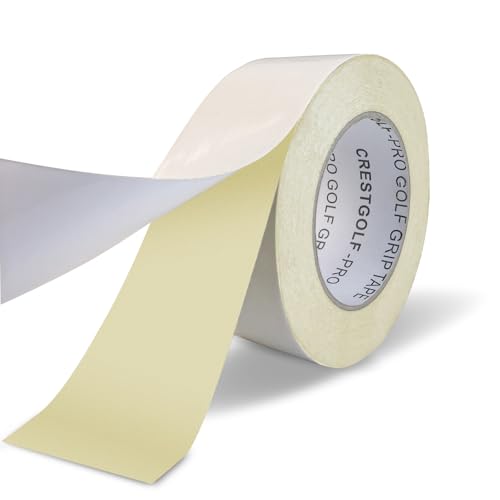 Crestgolf Golf Grip Tape Roll 2" x 18 Yards, Premium Solvent Activated Double Sided Adhesive Strips for Regripping Golf Clubs, Upgrade 1.2U Thickened Double Sided TapeCheck price on AmazonWe may earn a commission
6. Polish and Shine the Club Heads: For the metal heads, now’s the time to bring back that shine. Apply a small amount of polishing compound to a soft cloth. Gently rub the club head in a circular motion, focusing on removing light scratches and restoring the original luster. Work your way around the entire head, buffing out any dullness. Mistake to avoid: Using abrasive cleaners or steel wool. These can scratch the finish more than they clean it, leaving your club heads looking worse than when you started. Stick to dedicated club polishing compounds.
7. Final Inspection and Drying: After all the grips are on, let them sit for at least a few hours, or ideally overnight, to fully cure. During this time, give all the club heads a final wipe-down with a clean, dry rag to remove any polish residue. Check that all grips are securely attached and aligned properly. Mistake to avoid: Rushing the drying process or putting clubs into play too soon. The solvent needs time to evaporate completely for the grip to set firmly.
How to Refurbish a Golf Club: Restoring Performance
When you’re looking to how to refurbish a golf club, the goal is not just aesthetics, but also performance. A properly maintained club feels better in your hands and can even lead to more consistent shots. This process is about more than just making things look pretty; it’s about ensuring your equipment is working as it should.
- Regripping: This is arguably the most critical step for performance. Worn grips can lead to a death grip, causing tension and affecting your swing. New grips provide the necessary tackiness and feel, allowing for a more relaxed and controlled swing.
- Shaft Integrity: A bent or cracked shaft is a performance killer. It will throw off your swing plane and make consistent contact impossible. Always verify shafts are straight and free of damage.
- Club Head Condition: While minor scratches are cosmetic, significant dents or deformations can alter the club’s center of gravity and sweet spot, impacting ball flight and distance. Polishing helps with minor imperfections, but major damage may require more serious intervention or replacement.
Common Mistakes in Golf Club Refurbishing
- Using the Wrong Cleaning Agents — Using harsh chemicals or abrasive pads can easily damage the finish on your club heads or even the paint fill, leading to permanent cosmetic flaws. — Always opt for mild soap and water or specialized golf club cleaning solutions.
- Damaging the Shaft During Grip Removal — Cutting too deep with the knife or trying to force the grip off can create nicks, gouges, or even cracks in the shaft, compromising its structural integrity and potentially leading to breakage during a swing. — Use a sharp, dedicated grip knife and plenty of solvent to slide the grip off gently.
- Incorrect Grip Installation — Not using enough solvent, applying tape unevenly, or failing to align the grip properly will result in a grip that twists during your swing, feels uncomfortable, or even slips off entirely. — Ensure generous amounts of solvent are used, the tape is applied smoothly, and the grip is aligned precisely before it adheres.
- Ignoring Shaft Integrity — Putting time and money into refurbishing a club with a bent or cracked shaft is a waste. A compromised shaft will negatively impact your game, regardless of how new the grip looks or how shiny the head is. — Always perform a thorough inspection of the shaft for any signs of damage before starting any refurbishment work.
- Over-Polishing Club Heads — Aggressively polishing can wear down the plating or finish on a club head, especially on softer metals like forged irons. This can alter the club’s appearance and potentially its performance characteristics over time. — Use a light touch and a fine polishing compound, focusing on removing minor imperfections rather than trying to reshape the head.
- Skipping the Ferrule Check — Loose or missing ferrules not only look bad but can also allow moisture to seep into the hosel, potentially causing rust or damage to the shaft tip over time. — Always check that ferrules are snug and in good condition; replace them if they are cracked or loose.
FAQ on Refurbishing Golf Clubs
- How often should golf clubs be regripped?
A good rule of thumb is to regrip your clubs every 40 rounds or at least once a year, especially if you play frequently or in varying weather conditions. If your grips feel slick, hard, or cracked, it’s definitely time for a change, regardless of how many rounds you’ve played.
- What is the best way to clean golf club heads?
For routine cleaning, warm water with a bit of mild dish soap and a soft-bristled brush (like an old toothbrush or a dedicated golf brush) works wonders. Scrub gently, rinse thoroughly with clean water, and dry immediately with a soft towel to prevent water spots or rust.
- Can I fix a dent in a golf club head?
Minor cosmetic dents or dings on metal woods or hybrids might be slightly buffed out during the polishing process, but significant dents that deform the club head are generally not repairable with DIY methods. Such damage can affect the club’s aerodynamics and performance, so replacement might be the best option.
- How long does it take to refurbish a set of golf clubs?
For a full set of 14 clubs, including cleaning, polishing, and regripping, you can expect it to take anywhere from 4 to 8 hours, depending on your experience and how meticulous you are. Regripping is usually the most time-consuming part.
- Do I need to replace the ferrules when regripping?
Not always. If the existing ferrules are still firmly attached, free of cracks, and look good, you can certainly reuse them. However, if they are loose, split, or missing, it’s highly recommended to replace them with new ones for both a professional look and to protect the shaft tip.
- What kind of polishing compound should I use for club heads?
For most stainless steel or chrome-plated heads, a general-purpose metal polish or a specific golf club polish will work well. Avoid anything too abrasive. For painted or anodized finishes, use extreme caution or skip polishing altogether. Always test a small, inconspicuous area first.
Sources:

Michael Reeves is a PGA Professional with over 20 years of experience in competitive golf and instruction. A former Division I collegiate player at the University of Texas, he competed on the mini-tours before transitioning to full-time coaching and golf journalism. He has been a certified PGA teaching professional since 2005 and has worked with players at every level, from absolute beginners to collegiate champions.
His writing has appeared in Golf Digest, Golf Magazine, and The Left Rough. At GolfHubz, Michael leads the editorial team, overseeing fact-checking and ensuring every answer meets the same standard he demands on the lesson tee: clear, evidence-based, and immediately useful.
When he’s not writing or teaching, Michael plays to a +1.4 handicap at his home club in Austin, Texas. He has attended over 40 major championships as a journalist and fan, and has played more than 200 courses across 15 countries.
You can reach Michael at [email protected] or follow his occasional swing analysis posts on the site.