How to Remove Golf Grips
← Golf Equipment | Golf Clubs
BLOCKQUOTE_0
Quick Answer
- You’ll need grip solvent and a sharp utility knife to cut and peel off old grips.
- Always prioritize safety: wear eye protection and work in a well-ventilated spot.
- Have your new grips and tape ready before you start tearing off the old ones.
Who This Is For
- Anyone looking to save some dough by re-gripping their own golf clubs. It’s a solid skill to have.
- Golfers whose current grips are worn out, cracked, or just feel like they’re losing their tack. Time for an upgrade.
What to Check First
- Safety First: Grab a pair of safety glasses. Seriously, don’t skip this. Gloves are also a good idea to keep your hands clean and protected.
- Grip Solvent: You need a proper grip solvent. These are designed to break down the adhesive without harming your club’s shaft. If you’re in a bind, some people use mineral spirits, but always check the grip manufacturer’s advice first.
- Sharp Utility Knife: A dull knife is a recipe for disaster. Make sure you have a sharp, fresh utility knife blade. It makes the whole process smoother and safer.
- New Grips and Tape: Before you even think about removing the old ones, confirm you have your new grips and double-sided grip tape ready to go. You don’t want to be stuck with bare shafts and no way to put on the new ones.
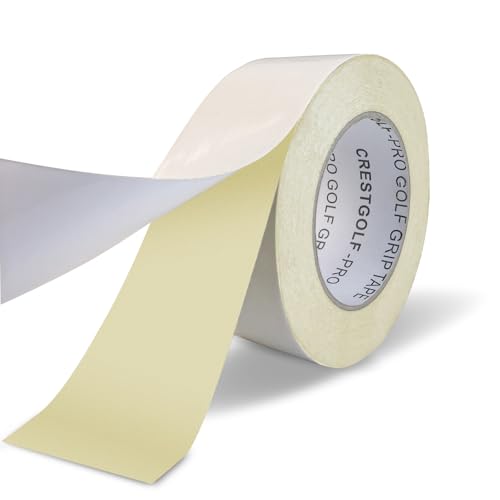 Crestgolf Golf Grip Tape Roll 2" x 18 Yards, Premium Solvent Activated Double Sided Adhesive Strips for Regripping Golf Clubs, Upgrade 1.2U Thickened Double Sided TapeCheck price on AmazonWe may earn a commission
Step-by-Step Plan: How to Take Off Golf Grips
This is where the rubber meets the road, or rather, where the old rubber leaves the shaft. Follow these steps, and you’ll be well on your way to learning how to take off golf grips like a pro.
1. Secure the Golf Club.
- Action: Clamp the golf club shaft securely in a vise. Use a rubber clamp insert or wrap a towel around the shaft before clamping to prevent any damage. Let the club head rest on a stable surface, like the floor or a workbench.
- What to look for: The club needs to be absolutely stable. You want to ensure the shaft won’t twist or slip while you’re applying force with the knife or pulling the grip. A wobbly club is a dangerous club.
- Mistake to avoid: Not securing the club properly. This is a common slip-up that can lead to the club flying out of your hands, potentially causing injury or damaging your equipment. Take the extra minute to get it right.
2. Apply Grip Solvent.
- Action: Gently lift the butt end of the grip away from the shaft. Pour a generous amount of grip solvent underneath the edge of the grip. Aim to get it to seep down the shaft and under the grip material.
- What to look for: You want the solvent to work its way down the shaft, breaking down the old grip tape adhesive. You’ll see it start to loosen the grip’s bond. If it looks like it’s just sitting on top, you might need to add a bit more or try to work it in.
- Mistake to avoid: Using too little solvent. If you’re stingy with the solvent, you’ll end up fighting a stubborn, sticky grip that’s a pain to remove. More solvent means a quicker, cleaner job.
3. Insert the Utility Knife Blade.
- Action: Carefully slide the tip of your sharp utility knife blade under the edge of the grip, usually starting near the butt end. Work the blade along the length of the grip, creating a slit.
- What to look for: You’re looking for the blade to easily penetrate the rubber or synthetic material of the grip. Once you have a starting slit, you can begin to cut the grip lengthwise. Be deliberate and controlled.
- Mistake to avoid: Pressing too hard or digging the blade into the shaft. The goal is to cut the grip material, not score the shaft. A sharp blade and a steady hand are crucial here. You’re not trying to saw through steel.
4. Peel and Remove the Old Grip.
- Action: With the slit made, you can now either continue using the knife to cut the grip off in sections or, more commonly, simply peel the grip material away from the shaft. The solvent should have done most of the heavy lifting, allowing it to slide off.
- What to look for: The old grip should start to come off relatively easily, either in one long piece or in large strips. If it’s still sticking stubbornly, apply a little more solvent and let it sit for another minute.
- Mistake to avoid: Ripping the grip off too aggressively without enough solvent. This can leave behind a lot of sticky tape residue that will be a pain to clean up later. Patience, grasshopper.
5. Clean the Shaft Thoroughly.
- Action: Once the old grip is off, use a clean rag, perhaps with a bit more solvent, to meticulously remove any remaining grip tape and adhesive residue from the club shaft.
- What to look for: The shaft should be completely clean, smooth, and free of any sticky bits. Run your finger over it to feel for any bumps or residue. A clean shaft is essential for the new grip to adhere properly.
- Mistake to avoid: Leaving old tape or adhesive on the shaft. This is a critical step. Any residue will prevent your new grip from sitting flush, potentially leading to a lumpy feel or, worse, the new grip slipping during a swing.
Removing Golf Grips Safely
When you’re diving into learning how to take off golf grips, safety needs to be your top priority. Working with solvents and sharp knives means you’ve got to be mindful. It’s not rocket science, but a little common sense goes a long way.
- Mistake: Not wearing safety glasses.
- Why it matters: Grip solvents can splash unexpectedly. You do not want that stuff getting into your eyes. I learned that the hard way once with some degreaser, and let me tell you, it was not fun.
- Fix: Always wear safety glasses. It’s a super simple habit to adopt, and it protects your vision.
- Mistake: Using a dull utility knife blade.
- Why it matters: A dull blade requires more force to cut through the grip material. This increased force makes it much more likely that the knife will slip, potentially cutting yourself or, even worse, gouging the club shaft.
- Fix: Always use a fresh, sharp utility knife blade. You can buy packs of them cheaply. A sharp blade slices through the grip material with ease, making the job safer and cleaner.
- Mistake: Working in a poorly ventilated area.
- Why it matters: Grip solvents often have strong chemical fumes. Breathing these in for an extended period can make you feel lightheaded, nauseous, or just generally unwell.
- Fix: Perform this task outdoors or in a well-ventilated garage with the door wide open. Fresh air is your best friend when you’re dealing with solvents.
- Mistake: Not removing all old tape residue.
- Why it matters: If you leave behind sticky tape or adhesive from the old grip, your new grip won’t be able to adhere properly. This can result in a lumpy feel, uneven installation, or the new grip eventually slipping on the shaft.
- Fix: Be thorough. Scrape and wipe the shaft until it is perfectly smooth and clean. A little extra solvent on your rag can help dissolve stubborn residue.
- Mistake: Using too much force with the knife.
- Why it matters: It’s tempting to just jam the knife in and cut quickly, but this increases the risk of cutting too deep and damaging the shaft. Some shafts, especially graphite ones, can be quite fragile.
- Fix: Use controlled, steady strokes. Let the sharpness of the blade do the work. You only need to cut through the grip material, not carve into the shaft itself.
- Mistake: Not letting the solvent work.
- Why it matters: Patience is a virtue, especially with solvents. If you try to peel the grip off too soon after applying solvent, it might still be stuck fast, leading to frustration and a messier removal process.
- Fix: Give the solvent a minute or two to seep in and do its job. You’ll see the grip start to loosen up, making it much easier to remove.
FAQ
- What is the best solvent for removing golf grips?
Dedicated grip solvent is your best bet. It’s specifically formulated to break down the adhesive on grip tape without damaging the club shaft, whether it’s steel or graphite. Brands like Golf Pride, Lamkin, and others offer their own recommended solvents, which are generally safe and effective. Always check the manufacturer’s recommendations if you’re unsure.
- How long does it take to remove a golf grip?
If you’ve got all your supplies ready and the club is secured, the actual removal of a single grip usually takes just a few minutes. You’ll spend a minute or two applying solvent and letting it work, then another couple of minutes cutting and peeling the grip off. Cleaning the shaft might take another minute or two. So, realistically, budget about 5-10 minutes per grip for removal.
- Can I reuse old golf grips?
Generally, no. Once you remove a golf grip, the double-sided tape underneath is usually ruined and can’t be reused effectively. The grip itself might also be stretched, compressed, or degraded from use, making it difficult to reapply properly and maintain its original feel and performance. It’s always recommended to use new tape and new grips for a successful re-gripping job. Trying to reuse old grips is usually a false economy.
- What if the grip is really stuck and won’t budge?
Don’t panic. If a grip is being particularly stubborn, the most common reason is that the solvent hasn’t fully penetrated the grip tape adhesive. Try applying more solvent, perhaps lifting the edge of the grip a bit more to let it seep further down. You might need to let it sit for an extra 5-10 minutes. If you’re still having trouble, you can carefully use your utility knife to make another slit or two along the length of the grip, ensuring you don’t cut into the shaft. Patience and more solvent are usually the answer.
- Can I use a heat gun or hair dryer instead of solvent to remove golf grips?
Some people do try using heat to soften the adhesive. However, this method is generally not recommended, especially for graphite shafts. Excessive heat can weaken or even damage the shaft material, compromising its integrity and potentially leading to breakage later on. While it might work for some rubber grips on steel shafts, solvent is a much safer, more reliable, and less risky method for removing golf grips without damaging your clubs.
- What kind of utility knife is best for this job?
A standard retractable utility knife is perfect for removing golf grips. The key is to ensure the blade is sharp. You can find these at any hardware store. Some golfers prefer a knife with a metal body for a better grip, while others find a plastic one works just fine. The most important thing is that it’s sharp and you can control it.
- How do I know if I’ve removed all the old grip tape residue?
The best way to check is to run your finger along the entire length of the shaft after you’ve wiped it down. You should feel a perfectly smooth surface. If you feel any bumps, stickiness, or ridges, there’s still residue left. Use a clean rag with a bit more solvent and continue wiping until the shaft feels completely smooth. This step is crucial for a good re-grip.
Sources:

Michael Reeves is a PGA Professional with over 20 years of experience in competitive golf and instruction. A former Division I collegiate player at the University of Texas, he competed on the mini-tours before transitioning to full-time coaching and golf journalism. He has been a certified PGA teaching professional since 2005 and has worked with players at every level, from absolute beginners to collegiate champions.
His writing has appeared in Golf Digest, Golf Magazine, and The Left Rough. At GolfHubz, Michael leads the editorial team, overseeing fact-checking and ensuring every answer meets the same standard he demands on the lesson tee: clear, evidence-based, and immediately useful.
When he’s not writing or teaching, Michael plays to a +1.4 handicap at his home club in Austin, Texas. He has attended over 40 major championships as a journalist and fan, and has played more than 200 courses across 15 countries.
You can reach Michael at [email protected] or follow his occasional swing analysis posts on the site.