How to Change A Putter Grip: Step-by-Step Guide
← Golf Instruction & Improvement | Swing Mechanics & Fundamentals
BLOCKQUOTE_0
Quick Answer
- To change your putter grip, you’ll typically cut off the old one or use solvent to loosen it, clean the shaft thoroughly, and then install the new grip using solvent and ensuring perfect alignment.
- It’s a straightforward DIY job that can save you money and help you dial in your feel on the greens.
- Proper alignment is key for consistent putting, so take your time with this step.
Who This Guide Is For
- This guide is for any golfer who notices their putter grip is worn, slippery, cracked, or just not feeling right anymore. A fresh grip can seriously boost your confidence on the greens.
- It’s also perfect for beginners looking to learn some basic club maintenance. Honestly, knowing how to do this yourself is a handy skill.
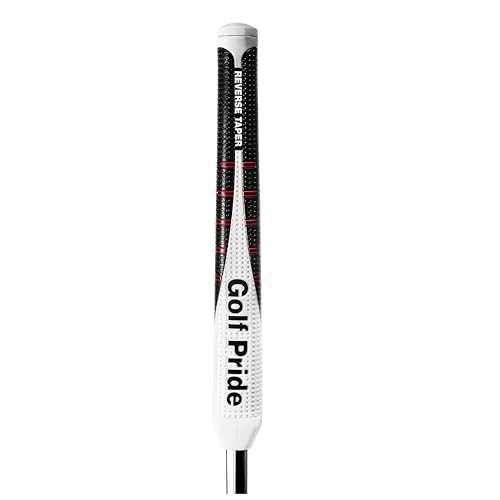 Golf Pride Reverse Taper Golf Putter Grip - Unique Shape to Optimize Both Hands - Tacky Dimpled Surface Texture - Large - FlatCheck price on AmazonWe may earn a commission
What to Check First When Changing a Putter Grip
- New Grip Selection: Before you start, make sure your new grip is the right size and weight for your preference and your putter. Grips come in various diameters and materials, and the feel can make a big difference. Don’t just grab the first one you see.
- Essential Tools: Gather your gear. You’ll need a vise with a rubber grip clamp (super important to protect the shaft), a sharp utility knife or razor blade, grip solvent (specific golf grip solvent is best), plenty of clean rags or paper towels, and a hook blade if you have one for stubborn tape.
- Old Grip Condition: Give your current grip a good once-over. Are there visible cracks? Has the texture worn smooth and shiny? Does it feel sticky or greasy? Any of these are clear signs it’s time for a replacement.
- Workspace Setup: Find a well-ventilated area, ideally outdoors or in a garage. Grip solvent has strong fumes, and you don’t want to be breathing that in for too long. Also, have a stable surface to work on.
Step-by-Step Plan for Changing a Putter Grip
1. Secure the Putter Shaft
- Action: Mount the putter shaft securely in your vise, making sure to use the rubber grip clamp. Position the clamp so it holds the shaft firmly near the top, just below the existing grip.
- What to look for: The shaft should be held tightly enough that it won’t budge or rotate when you apply force. However, the clamp should not be so tight that it visibly deforms or crushes the shaft. A good rule of thumb is snug, not bone-crushing. If the shaft is spinning freely, you’re going to have a bad time.
- Mistake to avoid: Overtightening the vise or using a metal clamp directly on the shaft. This is a surefire way to crack or permanently damage your putter shaft, which is a much more expensive fix than a new grip. Seriously, use that rubber clamp.
2. Remove the Old Putter Grip
- Action: Take your utility knife or razor blade and carefully make a single, long cut down the length of the old grip, starting from the butt end (the very top) all the way to the hosel (where the shaft meets the clubhead). If the grip is particularly tough, you might need to make a second cut parallel to the first.
- What to look for: You want to cut only through the rubber or rubber-like material of the grip itself. Keep your fingers and the blade angled slightly away from the shaft as you cut. Be patient; don’t try to rush this. The goal is to peel the old grip off cleanly.
- Mistake to avoid: Cutting too deep and nicking or gouging the putter shaft. This can create a weak spot or an unsightly mark. Also, avoid cutting towards yourself; always cut away from your body and hands. If you’re struggling, a hook blade can make this much easier.
3. Clean the Shaft Thoroughly
- Action: Once the old grip is off, you’ll likely find remnants of double-sided grip tape and adhesive residue stuck to the shaft. Use your utility knife or a scraper to gently remove as much of the old tape and glue as possible. Then, douse a clean rag with grip solvent and wipe down the entire shaft, paying close attention to any remaining sticky spots.
- What to look for: The shaft should be completely smooth, clean, and free of any tape, glue, or residue. It should feel almost slippery from the solvent. Any remaining stickiness will prevent the new grip from adhering properly, leading to slippage down the road. Use fresh sections of your rag as it gets dirty.
- Mistake to avoid: Leaving any old tape or adhesive on the shaft. This is probably the most common mistake and the biggest culprit for grips coming loose. If you think it’s clean, wipe it down one more time with solvent. A clean shaft is paramount for a secure installation.
4. Prepare the New Grip for Installation
- Action: This is where the solvent really shines. Pour a generous amount of grip solvent into the new putter grip. You want enough to coat the inside walls. Immediately seal the open butt end of the grip with your finger or a piece of tape. Then, give the grip a good shake to ensure the solvent sloshes around and coats the entire interior surface.
- What to look for: The inside of the grip should be thoroughly lubricated with solvent. It should feel slippery and slick. This lubrication is what allows the grip to slide easily onto the shaft. Don’t be shy with the solvent; you can always wipe excess off later.
- Mistake to avoid: Not using enough solvent. If the inside of the grip isn’t well-lubricated, you’ll struggle immensely to get it onto the shaft. It can feel like wrestling an octopus and might even lead to tearing the new grip or damaging the shaft if you force it.
5. Install the New Putter Grip
- Action: With the shaft clean and the new grip well-lubricated, quickly and decisively slide the butt end of the grip onto the butt end of the putter shaft. Keep pushing until the grip is fully seated all the way down the shaft.
- What to look for: The grip should slide on smoothly and easily, almost effortlessly. As you slide it on, pay close attention to alignment. If your grip has a flat side, a specific logo, or a visible seam, make sure it’s positioned correctly relative to the clubface. You have a small window to make adjustments before the solvent fully evaporates.
- Mistake to avoid: Misaligning the grip. This is critical for your putting consistency. If you realize it’s crooked after it’s on, you’ll have to pull it off and start the lubrication and installation process again. Take your time during the slide to get it straight the first time.
6. Allow the Grip to Dry and Set
- Action: Once the new grip is in place and perfectly aligned, let the putter rest undisturbed. The grip solvent needs time to evaporate, allowing the adhesive to activate and the grip to bond securely to the shaft.
- What to look for: The grip should feel firm and no longer slippery or tacky. It should feel like a solid extension of the shaft. Check the manufacturer’s instructions for your specific grip and solvent, but typically, a few hours is sufficient for it to be playable. Overnight is even better for maximum adhesion.
- Mistake to avoid: Trying to putt with the grip too soon. If it’s not fully dry, it might feel soft, squishy, or even slip during your swing, which is frustrating and could damage the new grip. Patience here pays off.
Common Mistakes When Changing a Putter Grip
- Mistake: Not securing the putter properly in the vise.
- Why it matters: If the putter spins or moves while you’re cutting or installing, you risk damaging the shaft or the grip, and your alignment will be off.
- Fix: Always use a vise with a rubber grip clamp specifically designed for golf clubs. Tighten it firmly but avoid crushing the shaft.
- Mistake: Cutting too deep with the utility knife.
- Why it matters: This can easily lead to gouging or scoring the putter shaft, creating a weak spot or an unsightly blemish that’s permanent.
- Fix: Make shallow, controlled cuts. You only need to cut through the grip material. If you’re using a straight blade, angle it slightly away from the shaft. A hook blade can help control depth.
- Mistake: Leaving old grip tape or adhesive residue on the shaft.
- Why it matters: The new grip won’t adhere properly. This is a primary cause of grips loosening or even rotating during a stroke, leading to inconsistency and frustration.
- Fix: Be meticulous. Scrape off all old tape and use plenty of grip solvent with clean rags to ensure the shaft is completely bare, smooth, and clean.
- Mistake: Not using enough grip solvent.
- Why it matters: This makes installation incredibly difficult. You’ll fight to get the grip on, potentially tearing it or damaging the shaft from excessive force. It also makes alignment adjustments nearly impossible.
- Fix: Be generous with the solvent. Pour enough in to thoroughly coat the entire inner surface of the grip. It’s much easier to wipe off excess solvent than to deal with a grip that won’t go on.
- Mistake: Misaligning the new grip.
- Why it matters: Your putter grip is your primary connection to the club. If it’s not aligned correctly (e.g., the flat side isn’t facing where you want it), it will affect your hand position, your stroke path, and your ability to aim consistently.
- Fix: Take your time during the installation process. As the grip slides on, make small, precise adjustments to ensure it’s perfectly straight and oriented as desired. You have a short window to do this before the solvent fully evaporates.
- Mistake: Trying to use the putter before the grip is fully dry.
- Why it matters: The grip might feel soft, mushy, or even slip under pressure. This can ruin the bonding process and potentially damage the new grip or affect its longevity.
- Fix: Be patient. Allow the grip to dry completely according to the manufacturer’s recommendations, which is usually a few hours, but overnight is best for full curing.
FAQ
- What tools are needed to change a putter grip?
You’ll need a vise with a rubber grip clamp, a sharp utility knife or razor blade, golf grip solvent, plenty of clean rags or paper towels, and of course, your new putter grip. A hook blade can also be very helpful for removing old tape.
- How long does it take for a new putter grip to dry?
Typically, the grip will be playable after a few hours, as the solvent evaporates and the grip sets. However, for optimal adhesion and longevity, it’s best to let it cure overnight. Always check the specific instructions that come with your grip and solvent.
- Can I reuse an old putter grip?
Generally, no. Once a grip is removed from a shaft, the double-sided tape is compromised, and the grip itself can be stretched or damaged in the process. It’s highly recommended to always use a new grip for a secure and consistent feel.
- How do I know if my putter grip needs changing?
Look for signs of wear: if the grip feels hard, smooth, cracked, or sticky, it’s time for a replacement. A worn grip can absorb less moisture, become slippery, and negatively impact your feel and control on the greens.
- Can I use double-sided tape and heat instead of solvent?
While solvent is the most common and reliable method for installing putter grips, some golfers do use double-sided grip tape and a heat gun or hairdryer. However, the solvent method is generally considered more straightforward and less prone to issues like tape shifting if done correctly. Always follow the specific instructions provided with your new grip.
- What if I accidentally cut into the putter shaft?
If you made a minor nick, you might be able to live with it, especially if it’s not deep. However, if it’s a significant cut or gouge, it could weaken the shaft. In such cases, you might need to consider shaft repair or replacement, which can be costly. This highlights the importance of careful cutting.
- How do I ensure the grip is centered correctly on the shaft?
As you slide the lubricated grip onto the shaft, keep an eye on the butt end of the grip and the end of the shaft. You can also use markings on the grip itself (if any) or the shaft. Once it’s on, you can make fine adjustments by gently twisting and sliding until it’s perfectly aligned before the solvent fully sets.
Sources

Michael Reeves is a PGA Professional with over 20 years of experience in competitive golf and instruction. A former Division I collegiate player at the University of Texas, he competed on the mini-tours before transitioning to full-time coaching and golf journalism. He has been a certified PGA teaching professional since 2005 and has worked with players at every level, from absolute beginners to collegiate champions.
His writing has appeared in Golf Digest, Golf Magazine, and The Left Rough. At GolfHubz, Michael leads the editorial team, overseeing fact-checking and ensuring every answer meets the same standard he demands on the lesson tee: clear, evidence-based, and immediately useful.
When he’s not writing or teaching, Michael plays to a +1.4 handicap at his home club in Austin, Texas. He has attended over 40 major championships as a journalist and fan, and has played more than 200 courses across 15 countries.
You can reach Michael at [email protected] or follow his occasional swing analysis posts on the site.