Golf Driver Cost Guide
← Golf Costs & Economics | Golf Equipment Costs
BLOCKQUOTE_0
Quick Answer
- New golf drivers typically range from $200 to $600, with premium models exceeding this.
- Used golf drivers can offer significant savings, often found between $50 and $300.
- Factors like brand, technology, condition, and features heavily influence the final price.
Who This Is For
- Beginner golfers looking for their first driver without overspending.
- Intermediate golfers seeking an upgrade to improve their game and performance.
- Experienced golfers interested in the latest technology or custom-fitted options.
What to Check First
- Loft Angle: Make sure it fits your swing speed and typical shot shape. Too much or too little loft is a real game-killer.
- Shaft Flex: This is crucial. Get a shaft that matches your swing tempo and power. A flex that’s too stiff or too soft will mess with your distance and accuracy.
- Clubhead Condition: Give it a good once-over. Look for dents, cracks, or excessive wear. A damaged head can affect performance and durability.
- Adjustability Features: If the driver has adjustable weights or hosels, understand what they do and if they’re set correctly for you.
How Much Does a Golf Driver Cost? A Detailed Look
Alright, let’s talk brass tacks on how much a golf driver will set you back. It ain’t a one-size-fits-all deal, but we can break it down. You’re looking at a pretty wide spectrum, from budget-friendly options to high-end, cutting-edge tech that costs a pretty penny. Understanding where your money goes is key to making a smart buy.
Step-by-Step Plan for Buying a Golf Driver
1. Define Your Budget.
- Action: Figure out the max you’re willing to drop. Seriously, write it down. This is your anchor.
- What to look for: Realistic price ranges based on your financial comfort. New drivers usually start around $200 and can go up to $600 or more. Used can be found for $50 to $300.
- Mistake to avoid: Blowing past your budget on a shiny new club you can’t afford. I’ve seen it happen, and it leads to buyer’s remorse faster than a shanked drive.
2. Assess Your Skill Level.
- Action: Be honest about where you stand on the course. Are you just starting out, or are you a seasoned player?
- What to look for: Drivers designed for beginners often have more forgiveness built into the clubhead, which helps square up off-center hits. Advanced players might need something more player-oriented with less offset and more workability.
- Mistake to avoid: Buying a super-techy, expensive driver that’s way over your head. It’ll just frustrate you and likely won’t improve your game. Sometimes simpler is better when you’re learning.
3. Research Reputable Brands.
- Action: Look into brands known for quality and innovation in golf equipment. Don’t just grab the first thing you see.
- What to look for: Brands with good reviews and a solid track record. Think Titleist, Callaway, TaylorMade, Ping, Cobra. These guys have been in the game for a reason.
- Mistake to avoid: Getting lured in by a no-name brand just because the price seems too good to be true. You usually get what you pay for, and cheap often means poor materials or construction.
4. Consider Used Options.
- Action: Check out the pre-owned market for drivers. This is where you can really score.
- What to look for: Gently used clubs from the last few seasons. They often perform nearly as well as new ones but at a fraction of the cost. Look for reputable golf resale sites or local pro shops that have trade-ins.
- Mistake to avoid: Buying a used club without inspecting it closely for hidden damage. A small ding or a scuff on the face might seem minor, but it can affect performance and durability down the line. Always ask about the club’s history if possible.
5. Understand Shaft Flex and Loft.
- Action: Educate yourself on how shaft flex (like Ladies, Senior, Regular, Stiff, Extra Stiff) and loft (the angle of the clubface, typically 8.5 to 12 degrees) impact your ball flight.
- What to look for: A shaft that’s too stiff will make it hard to get the clubhead speed you need, leading to lower launch and less distance. Too flexible, and you’ll get inconsistent contact and ballooning shots. Loft is critical for getting the ball airborne with the right trajectory.
- Mistake to avoid: Guessing your shaft flex or loft. This is a common pitfall that can lead to buying a driver that actively works against your swing, costing you strokes and distance.
6. Get Fitted (If Possible).
- Action: If your budget allows, especially if you’re investing in a new driver, get a professional club fitting. This is the golden ticket to finding the right club.
- What to look for: Recommendations on loft, shaft type and flex, and head model that are tailored to your unique swing. A fitter will use launch monitors to analyze your swing and ball data.
- Mistake to avoid: Skipping a fitting and just grabbing a driver off the rack based on looks or a friend’s recommendation. You could be leaving yards on the table or fighting a club that’s fundamentally wrong for you. It’s an investment, but one that pays off.
7. Factor in Technology and Features.
- Action: Research the technology that drives driver prices up. Understand what adjustable weights, movable hosels, and advanced face designs actually do.
- What to look for: Features that genuinely benefit your game. For instance, adjustable weights can help you dial in your draw or fade bias. A forgiving face design can help when you don’t hit the sweet spot.
- Mistake to avoid: Paying a premium for bells and whistles you don’t understand or need. Sometimes the simpler, older models offer 95% of the performance for half the price.
Common Mistakes When Considering Golf Driver Cost
- Mistake: Buying the most expensive driver assuming it’s the best.
- Why it matters: A high price tag doesn’t automatically mean it’s the best fit for your unique swing. You might be paying for technology you don’t need or that doesn’t suit your swing mechanics, leading to suboptimal performance.
- Fix: Prioritize a club fitting and performance for your game over just the price. Test clubs and see what works best for your swing, regardless of the cost.
- Mistake: Not considering used drivers.
- Why it matters: You can save a serious amount of cash on gently used drivers that still have plenty of life and performance left in them. It’s a smart way to get a great club for less, often from just a season or two ago.
- Fix: Thoroughly inspect used clubs for any dents, cracks, or excessive sole wear before handing over your cash. Check the grip condition too.
- Mistake: Ignoring shaft flex.
- Why it matters: The wrong shaft flex can make you hit the ball shorter and less accurately. A shaft that’s too stiff for your swing speed will reduce clubhead speed and make it harder to launch the ball high enough. Too flexible, and you’ll get inconsistent contact and ballooning shots. It’s like trying to drive a truck with a noodle for a steering wheel.
- Fix: Consult fitting guides or a professional to determine the correct shaft flex for your swing speed and tempo. Don’t guess on this critical component.
- Mistake: Buying based solely on brand name.
- Why it matters: While major brands have reputations for quality, a driver from a less famous company might actually perform better for you and cost less. Relying only on a logo can mean missing out on a great value.
- Fix: Test multiple brands and models, and rely on performance data from fittings or your own range sessions rather than just the logo on the club.
- Mistake: Forgetting about adjustability features.
- Why it matters: Many modern drivers have adjustable hosels and weights. If you don’t know how to use them or if they’re locked in a setting that’s wrong for you, you’re not getting the full benefit and might even be hurting your game.
- Fix: Understand the adjustability options on a driver and how they can fine-tune your launch conditions. If you’re not planning to tinker, you might not need to pay extra for these features.
- Mistake: Overlooking the clubhead’s loft angle.
- Why it matters: The loft of your driver’s face is crucial for getting the ball airborne with the optimal trajectory for distance and control. Too little loft can lead to low, sputtering shots, while too much can cause the ball to balloon.
- Fix: Work with a fitter or consult resources that match loft to your swing speed and typical shot shape. Most players benefit from a driver between 9 and 12 degrees of loft.
- Mistake: Assuming newer always means better performance.
- Why it matters: While manufacturers constantly innovate, the performance gains from one year to the next are often incremental for the average golfer. Last year’s model can still be a fantastic performer and save you a significant amount of cash.
- Fix: Compare the performance of current models with slightly older ones. Often, a driver from 1-3 years ago can offer 90% of the performance for 50% of the price.
FAQ
- What is the average price range for a new golf driver?
New golf drivers typically range from $200 to $600, with some premium or custom-fitted models going even higher [1]. The price often reflects the brand’s reputation, the materials used (like carbon fiber components), and the advanced technologies incorporated into the design.
- Are there significant differences in cost between major golf brands?
Yes, while most major brands have offerings across a similar price spectrum, some premium lines or specialty models from brands like Titleist, PXG, or certain limited editions can push the upper limits of the cost range. These often feature more exotic materials or exclusive designs.
- How much can I expect to save by buying a used golf driver?
You can often save 30-60% or more on a used driver compared to its original retail price, depending on its age and condition. A driver that retailed for $500 might be available used for $200-$300 if it’s only a year or two old and in good shape.
- Is it worth paying more for the latest golf driver technology?
For most amateur golfers, the performance gains from the absolute latest technology might be minimal compared to a well-fitted, slightly older model. Focus on what works for your swing. Unless you’re a scratch golfer or playing competitively, the marginal gains from the newest tech might not justify the significant price jump.
- What does “club fitting” entail and how does it affect cost?
Club fitting involves a professional assessing your swing using launch monitor data to recommend clubs (including drivers) with the optimal loft, shaft type and flex, and head model for your specific swing. While the fitting itself might have a fee ($50-$150 or more), it helps you buy the right club, potentially saving money in the long run by avoiding costly mistakes on ill-suited drivers.
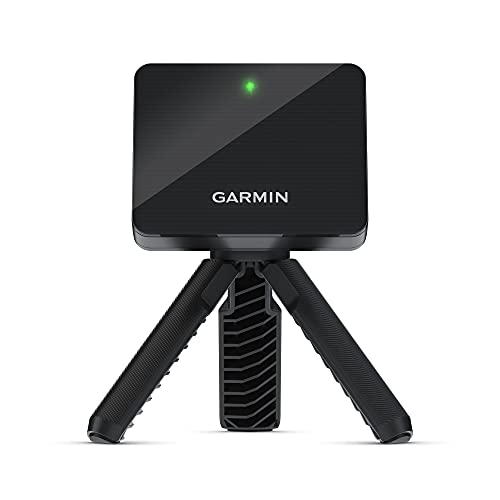 Garmin Approach R10, Portable Golf Launch Monitor, Take Your Game Home, Indoors or to The Driving Range, Up to 10 Hours Battery Life - 010-02356-00Check price on AmazonWe may earn a commission
- Can I find good drivers under $200?
Yes, especially if you look at last year’s models, sale items, or the used market. Beginner-focused drivers are also often priced more affordably, and sometimes brands will have entry-level lines that fall into this price bracket even when new.
- What factors contribute most to a golf driver’s price?
Brand reputation, advanced materials (like carbon fiber, titanium alloys), innovative technologies (e.g., adjustable weighting systems, complex face designs for improved ball speed), research and development costs, and custom fitting options are the main drivers of a golf driver’s price.
Sources:
[1] Cost of a Golf Driver: https://golfhubz.com/cost-of-a-golf-driver

Michael Reeves is a PGA Professional with over 20 years of experience in competitive golf and instruction. A former Division I collegiate player at the University of Texas, he competed on the mini-tours before transitioning to full-time coaching and golf journalism. He has been a certified PGA teaching professional since 2005 and has worked with players at every level, from absolute beginners to collegiate champions.
His writing has appeared in Golf Digest, Golf Magazine, and The Left Rough. At GolfHubz, Michael leads the editorial team, overseeing fact-checking and ensuring every answer meets the same standard he demands on the lesson tee: clear, evidence-based, and immediately useful.
When he’s not writing or teaching, Michael plays to a +1.4 handicap at his home club in Austin, Texas. He has attended over 40 major championships as a journalist and fan, and has played more than 200 courses across 15 countries.
You can reach Michael at [email protected] or follow his occasional swing analysis posts on the site.