Golf Course Maintenance: The Best Grass For Greens
← Golf Instruction & Improvement | Course Management & Strategy
BLOCKQUOTE_0
Quick Answer
- Bentgrass varieties are the gold standard for golf greens, allowing for the ultra-low mowing needed for fast, true putting surfaces.
- In warmer climates, modern Bermudagrass hybrids are a top contender, offering excellent durability and recovery from play.
- The “best” grass isn’t universal; it’s a decision driven by your climate, maintenance budget, and desired playing conditions.
Who This Is For
- Golf course superintendents and groundskeepers who are the turf wizards behind the scenes.
- Golf course owners and managers making strategic decisions about course aesthetics and playing quality.
What to Check First: Finding the Best Grass for Golf Greens
- Know your climate zone cold. Are you dealing with harsh winters, scorching summers, or a bit of both? This is your primary filter.
- Consult your local turf experts. University extension offices or seasoned agronomists in your region have the ground-level intel you need. They know what works and what doesn’t.
- Crunch the numbers on your maintenance budget. High-performance greens grasses, especially bentgrass, demand specialized equipment and a dedicated maintenance schedule. Be realistic about what you can afford.
- Review the manufacturer’s specs. For any seed or sod you’re considering, the technical data sheets and recommendations are crucial. They’re not just suggestions.
- Assess your current equipment and crew capabilities. Do you have the right reel mowers? Is your team trained for the specific needs of a low-cut, high-maintenance turf?
Step-by-Step Plan for Selecting Golf Greens Grass
1. Action: Deep dive into cool-season grasses like Bentgrass and Fine Fescue.
What to look for: Exceptional tolerance for ultra-low mowing heights (think 0.100 inches), dense thatch formation for a firm surface, and robust disease resistance.
Mistake to avoid: Assuming all cool-season grasses will perform equally when mowed to tournament standards. Bentgrass is in a league of its own for low mowing.
2. Action: Investigate warm-season grasses such as Bermudagrass and Zoysiagrass.
What to look for: Superior heat and drought tolerance, excellent recovery from divots and foot traffic, and how it handles winter dormancy (if applicable to your region).
Mistake to avoid: Planting warm-season grass in a cooler climate without fully understanding its dormancy cycle. You’ll have a brown, unplayable green for a significant part of the year.
3. Action: Connect with your local university extension office or regional turfgrass specialists.
What to look for: Region-specific varietal recommendations, insights into local pest and disease pressures, and results from any relevant soil analysis you’ve conducted.
Mistake to avoid: Relying solely on generalized information found online. Your specific microclimate and soil conditions are unique and require tailored advice.
4. Action: Evaluate your maintenance team’s skill set and equipment arsenal.
What to look for: The availability of specialized reel mowers capable of the precise, low-cut heights required, and whether your crew has the training to manage the specific cultural practices for the chosen grass.
Mistake to avoid: Selecting a grass that demands a level of precision mowing or specialized care that your team or equipment cannot provide. This leads to subpar turf.
5. Action: Consider the desired playing characteristics and golfer experience.
What to look for: Do you want lightning-fast greens? Greens that hold approach shots well? A specific texture? Different grasses excel at different aspects of playability.
Mistake to avoid: Choosing a grass based on its visual appeal alone, without considering how it will impact ball roll, shot holding, and overall golfer satisfaction.
6. Action: Research the disease and pest resistance profiles of potential candidates.
What to look for: Varieties known for their natural resistance to common turf diseases (like dollar spot, brown patch) and insect pests prevalent in your area.
Mistake to avoid: Underestimating the impact of local disease and pest pressures. Planting susceptible varieties can lead to costly and frequent chemical interventions.
7. Action: Analyze the wear tolerance and recovery rate of different grass types.
What to look for: How well the grass stands up to the high traffic of carts, walking golfers, and frequent divot activity. Look for grasses that can recover quickly and maintain density.
Mistake to avoid: Selecting a grass that is easily scalped or struggles to recover from the constant stress of play, resulting in thin, worn-out looking greens.
Choosing the Best Grass for Golf Greens: A Deep Dive
When it comes to golf course greens, the grass isn’t just green; it’s the canvas for the game’s most delicate shots. The primary goal is to achieve a surface that is firm, fast, and true, allowing the ball to roll predictably. This requires grasses that can be mowed to incredibly low heights without suffering damage, a trait that dictates much of the selection process.
Cool-Season Grasses: The Bentgrass Dynasty
For many golf courses, particularly in temperate climates, Bentgrass (Agrostis spp.) reigns supreme. Its genetic makeup allows it to thrive when cut to fractions of an inch – sometimes as low as 0.100 inches. This extreme mowing tolerance is what enables the lightning-fast greens that professional tournaments are known for.
Achieving the ideal bentgrass surface requires a meticulous approach to its care, including a consistent and effective golf course fertilizer program to support its demanding growth.
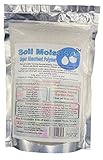
- Soil Moist SAP Super Absorbent Polymer commercial high-quality potassium polyacrylate for any and all plant use.
- The special smaller granular size is great for golf course applications for a smooth lawn.
- 50% savings on water/fertilizer cost - reduces run-off.
- Healthy root development for stronger/vibrant plant life.
- Useful life in soil up to 7 years.
- Creeping Bentgrass (Agrostis stolonifera) is the most common and widely adapted variety. It forms a dense turf and has excellent recuperative abilities. However, it’s also a demanding grass. It requires meticulous management, including frequent topdressing, precise irrigation, and a robust fertility program. It’s also susceptible to a range of diseases, especially in humid conditions, and can struggle in extreme heat. Varieties like ‘Penneagle’, ‘Crenshaw’, and ‘Dominion’ have been popular for years, with newer cultivars constantly being developed for improved disease resistance and playability.
- Velvet Bentgrass (Agrostis canina) is known for its exceptionally fine texture and silky appearance, offering a superior putting surface. It can be mowed even lower than creeping bentgrass. However, it’s less tolerant of stress, particularly heat and drought, and is more prone to disease. It’s often found on older courses or in cooler, coastal climates where conditions are more favorable.
- Colonial Bentgrass (Agrostis tenuis) is generally more cold-hardy and drought-tolerant than creeping bentgrass but doesn’t tolerate as low mowing heights. It’s less dense and can be more prone to thatch buildup. It’s often used in less intensively managed areas or as a component in some turf mixes.
What to Look For in Bentgrass:
When considering bentgrass, you’re looking for cultivars that offer the best balance of low-mowing tolerance, disease resistance (especially to dollar spot and anthracnose), and genetic stability. Newer generations often incorporate traits from multiple bentgrass species to achieve these goals.
Mistake to Avoid with Bentgrass:
The biggest mistake is underestimating its maintenance demands. Bentgrass is not a “plant it and forget it” grass. It requires a highly skilled maintenance team and significant investment in specialized equipment to perform at its best.
Warm-Season Grasses: The Heat-Tolerant Champions
In warmer climates, the game changes. Cool-season grasses struggle and often go dormant or die under intense heat and humidity. This is where Bermudagrass (Cynodon spp.) and Zoysiagrass (Zoysia spp.) step in.
- Bermudagrass is the workhorse of warm-season turf. Modern hybrid varieties have revolutionized its use on golf greens. These hybrids are specifically bred for improved density, finer texture, and enhanced disease resistance. They can be mowed very low, though typically not quite as low as the best bentgrasses. Bermudagrass greens are known for their resilience to traffic and their ability to recover quickly from divots. They go dormant and turn brown in the winter, which is a key consideration. Popular choices include ‘Champion’ (Dwarf Ultradwarf), ‘Tifgreen’, ‘Tifdwarf’, and newer cultivars like ‘Pure Distinction’ and ‘007’.
- Zoysiagrass offers a denser, more upright growth habit than bermudagrass, providing a different kind of putting surface. It’s known for its excellent wear tolerance and good disease resistance. However, it typically doesn’t tolerate mowing as low as bermudagrass and has a slower growth rate, making recovery from damage slower. It also goes dormant in cooler weather. ‘Meyer’ and ‘Emerald’ are common varieties, but newer cultivars are being developed for greens.
What to Look For in Warm-Season Grasses:
For greens, you want fine-textured, dense hybrid Bermudas that can handle low mowing, have excellent recuperative potential, and are resistant to local diseases like large patch. Zoysiagrass is often chosen for its density and wear tolerance, though its mowing height limitations are a factor.
Mistake to Avoid with Warm-Season Grasses:
The primary mistake is not accounting for winter dormancy in regions where it occurs. Golfers expect a green playing surface year-round, and a dormant bermudagrass green can be a significant disappointment. Also, selecting a bermudagrass that is too coarse-textured or doesn’t tolerate low mowing can lead to a poor putting surface.
Transition Zone Challenges
The “transition zone” is where things get tricky. Climates here experience both hot summers and cold winters, making it difficult for either cool-season or warm-season grasses to thrive year-round without significant effort. Often, courses in these areas opt for bentgrass and manage it through the summer heat with extensive cooling and disease control measures, or they might use a less demanding cool-season grass and accept a less intense putting surface. Some may even overseed dormant warm-season grasses with ryegrass for temporary winter greenness, though this adds complexity.
Common Mistakes in Choosing Golf Greens Grass
- Mistake: Selecting grass based solely on aesthetics.
- Why it matters: A beautiful green that plays poorly, is prone to disease, or requires excessive maintenance will lead to golfer dissatisfaction and escalating costs.
- Fix: Prioritize performance characteristics like mowing tolerance, wear resistance, and disease resistance first. Aesthetics should be a secondary consideration.
- Mistake: Ignoring climate suitability and regional challenges.
- Why it matters: Planting a grass type that is not adapted to your specific climate zone will result in poor growth, increased susceptibility to stress (heat, cold, drought), and potential failure of the turf.
- Fix: Thoroughly research and understand the growing requirements of any grass species and match it to your region’s climate data.
- Mistake: Underestimating the specific maintenance requirements of high-performance turf.
- Why it matters: Grasses like bentgrass or hybrid bermudagrass demand specialized mowing equipment, precise irrigation, regular topdressing, and targeted nutrient and pest management. Failure to meet these needs results in subpar turf.
- Fix: Conduct a thorough assessment of your maintenance budget, equipment capabilities, and staff expertise before committing to a particular grass type.
- Mistake: Overlooking disease and pest resistance when making a selection.
- Why it matters: Some grass varieties are highly susceptible to common turf diseases (e.g., dollar spot, brown patch) or insect pests in your area. This can lead to significant turf loss, costly treatments, and inconsistent playing conditions.
- Fix: Choose grass cultivars that have a proven track record of resistance to the prevalent diseases and pests in your local environment.
- Mistake: Failing to consider the required mowing height and its impact on equipment.
- Why it matters: Greens grasses need to be mowed extremely low. If your current mowing equipment cannot achieve these heights safely and effectively, you’ll either damage the turf or need to invest in new machinery.
- Fix: Verify that your mowing equipment is capable of cutting at the desired heights for the chosen grass species and that your maintenance crew is trained in its operation.
- Mistake: Neglecting soil drainage and preparation.
- Why it matters: Most premium greens grasses require excellent drainage to prevent root diseases and ensure consistent moisture levels. Poorly draining soil will severely limit your grass choices and performance.
- Fix: Ensure that your greens have adequate drainage through proper soil profiling, amendments, and potentially subsurface drainage systems before selecting and planting grass.
FAQ
- What is the primary difference between cool-season and warm-season grasses for greens?
Cool-season grasses, like bentgrass, thrive in moderate temperatures and can maintain green color through cooler periods but struggle in intense summer heat. Warm-season grasses, like bermudagrass, flourish in heat and humidity but go dormant and turn brown during cold winter months.
- How low can bentgrass be mowed on a golf green?
Bentgrass is renowned for its ability to be mowed extremely short, often down to 0.100 inches or even less, which is crucial for achieving the fast and true putting surfaces expected on golf courses.
- What are the advantages of Bermudagrass for golf greens in hot climates?
Bermudagrass offers excellent heat and drought tolerance, recovers rapidly from wear and tear from golfers, and maintains good green color throughout the hottest parts of the year, making it a superior choice for warmer regions.
- Is it ever advisable to mix different grass types on a single green?
Generally, mixing grass types on a golf green is discouraged. It leads to inconsistent growth rates, mowing heights, and playing characteristics, making maintenance much more challenging and resulting in a less uniform putting surface.
- What role does soil type and drainage play in selecting greens grass?
Soil drainage is paramount. Most elite greens grasses prefer well-drained, sandy soils that prevent waterlogging and root diseases. Your soil’s composition will significantly influence which grasses can establish and perform optimally, and may necessitate soil amendments or drainage improvements.
- How do I determine if my course is in a cool-season, warm-season, or transition zone?
You can typically find this information through USDA Plant Hardiness Zone Maps, local agricultural extension offices, or by consulting with experienced turfgrass professionals in your region who understand the specific climatic patterns.

Michael Reeves is a PGA Professional with over 20 years of experience in competitive golf and instruction. A former Division I collegiate player at the University of Texas, he competed on the mini-tours before transitioning to full-time coaching and golf journalism. He has been a certified PGA teaching professional since 2005 and has worked with players at every level, from absolute beginners to collegiate champions.
His writing has appeared in Golf Digest, Golf Magazine, and The Left Rough. At GolfHubz, Michael leads the editorial team, overseeing fact-checking and ensuring every answer meets the same standard he demands on the lesson tee: clear, evidence-based, and immediately useful.
When he’s not writing or teaching, Michael plays to a +1.4 handicap at his home club in Austin, Texas. He has attended over 40 major championships as a journalist and fan, and has played more than 200 courses across 15 countries.
You can reach Michael at [email protected] or follow his occasional swing analysis posts on the site.