Cost of Golf Equipment
← Golf Costs & Economics | Golf Equipment Costs
BLOCKQUOTE_0
Quick Answer
- A complete set of golf clubs for beginners typically ranges from $300 to $700.
- Premium, high-end sets from top brands can easily cost over $2,000.
- Don’t forget accessories like bags, balls, and shoes; these can add $50 to $500 to your total investment.
Who This Is For
- New golfers trying to get a handle on the initial financial commitment required to start playing the game.
- Intermediate players who are thinking about upgrading their current equipment or adding specific clubs to their bag.
- Anyone shopping for a golf-related gift and wants to understand the price points involved.
What to Check First
- Your Skill Level: Be honest about whether you’re a beginner, intermediate, or advanced player. This directly impacts the type and quality of clubs you should be looking at. Trust me, I learned that lesson the hard way early on.
- Your Budget: Pinpoint exactly how much you’re willing to spend. This includes the initial setup costs and any potential future upgrades you might consider down the line.
- Essential Gear Checklist: Beyond the clubs themselves, you’ll need a golf bag, a good supply of golf balls, and appropriate footwear. Make sure to factor these into your overall cost.
- New vs. Used: Decide if you’re open to buying pre-owned equipment. Used clubs can offer significant savings, but you need to know what to look for.
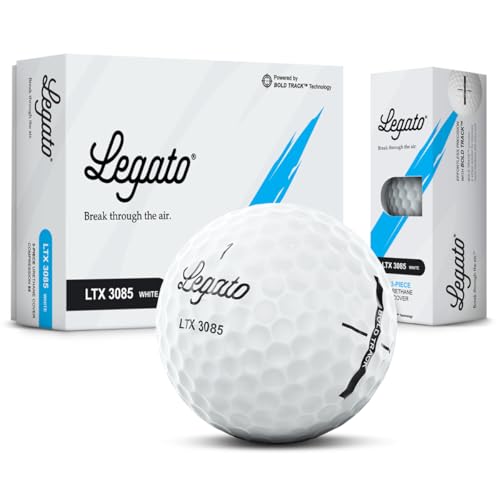 Legato Golf Balls LTX3085, 3 Piece, Urethane Cover, White, 1 Dozen | Maximized Spin Control & Soft Feel, 85 Compression for Maximized Distance, USGA ConformingCheck price on AmazonWe may earn a commission
Understanding How Much is a Golf Club Set
When you’re diving into golf, figuring out how much you’ll spend on clubs can feel like navigating a tricky fairway. The price tag on golf equipment varies wildly, depending on brand, quality, and whether you’re buying a complete set or individual pieces. Let’s break down what you can expect.
- Action: Research beginner golf club sets.
What to look for: When you’re just starting out, a complete package set is usually the way to go. These sets typically include a driver, a few fairway woods, a hybrid, a set of irons (usually 6-iron through pitching wedge), a putter, and a golf bag. You’ll find these sets priced anywhere from $300 to $700. They are designed to be forgiving and offer a good balance of performance for learning players.
Mistake to avoid: Don’t dismiss all beginner sets as low-quality. Many manufacturers put out excellent starter packages that provide great value and are perfectly adequate for new golfers. The key is to find a reputable brand within this category.
 Mens Callaway Complete Golf Set - Clubs Driver, Fairway Wood, Hybrid, Irons, Putter Stand Bag Reg FlexCheck price on AmazonWe may earn a commission
- Action: Investigate individual club prices.
What to look for: If you’re looking to build a set piece by piece or upgrade specific clubs, understanding individual prices is crucial. Drivers are often the most expensive single club, ranging from $200 to $600 or even more for the latest technology. Fairway woods typically fall between $150 and $300. Irons are usually priced per club, with prices ranging from $100 to $200 per iron, or you can find sets of 5-7 irons for $500 to $1,000+. Wedges (like sand wedges and lob wedges) generally cost between $80 and $150 each. Putters can be found from $100 up to $400 or more, depending on the brand and design.
Mistake to avoid: Buying individual clubs without a solid foundation is a common pitfall. Unless you have a very specific need or are replacing a broken club, it’s usually more cost-effective and sensible to acquire a basic set first. Building a set one club at a time can quickly become more expensive and lead to an unbalanced collection.
- Action: Explore premium brand options.
What to look for: If you’re an experienced golfer or have a significant budget, you might be looking at premium brands like Titleist, Callaway, TaylorMade, PING, or Mizuno. These manufacturers invest heavily in research and development, using advanced materials and cutting-edge technologies to maximize performance. Full sets from these brands, especially custom-fitted ones, can easily exceed $2,000. These clubs offer superior feel, workability, and distance for skilled players.
Mistake to avoid: The temptation to buy the most expensive clubs available is strong, but it’s often unnecessary for most golfers. Unless you can truly take advantage of the advanced features and customization offered by premium brands, you’re likely overspending. For many, the performance gains are marginal compared to mid-range options.
- Action: Consider used equipment for cost savings.
What to look for: Buying pre-owned golf clubs can be a fantastic way to save money without sacrificing too much quality. Look for clubs that are only a year or two old, as technology doesn’t change that drastically every season. Inspect clubs carefully for significant wear on the clubface, grooves, and soles. Check for any dents or bends in the shaft. Reputable used golf equipment retailers, both online and brick-and-mortar, are good places to start. You can often find nearly new clubs at a fraction of the original price.
Mistake to avoid: Purchasing overly old or heavily used clubs is a common trap. Clubs that have seen too many rounds can lose their performance characteristics. Be wary of deep scratches, rust, or a loose clubhead. If a deal seems too good to be true, it probably is.
- Action: Factor in essential accessories and their costs.
What to look for: Your golf journey doesn’t end with the clubs. You’ll need a golf bag to carry them, which can range from $50 for a basic stand bag to $300 or more for a premium cart bag. Golf balls are another ongoing expense; a dozen can cost anywhere from $20 for entry-level balls to $50 or more for premium, tour-level balls. Beginners might want to start with less expensive options as they’ll likely lose a few. Lastly, golf shoes are crucial for stability and traction, with prices typically running from $50 to $200. Don’t forget gloves, tees, and potentially a rangefinder or GPS device if your budget allows.
Mistake to avoid: Underestimating the cost of accessories is a classic oversight. People often focus solely on the clubs and then get sticker shock when they realize how much more they need to spend to actually play. Always budget for these items from the start to avoid surprises.
How Much is a Golf Club Set? A Deeper Dive
The question “how much is a golf club set?” doesn’t have a single answer, but understanding the factors involved helps you make an informed decision. Beyond the initial purchase price, consider the longevity of the equipment and how it fits your game.
For someone just starting out, the investment in a complete beginner set is the most practical and cost-effective approach. These sets are designed with forgiveness in mind, making it easier to get the ball airborne and achieve decent contact. They provide all the necessary clubs to play a round of golf without overwhelming a new player with too many options. The $300-$700 range for these sets is a reasonable entry point. It’s a solid investment that allows you to learn the game without breaking the bank.
As your game progresses, you’ll start to notice where your current clubs might be holding you back, or you might simply want to experiment with different technologies. This is when individual club purchases become more relevant. For instance, a golfer might have a good set of irons but feel their driver isn’t performing optimally. Upgrading just the driver to a $400-$500 model could provide a noticeable boost in distance and accuracy. Similarly, a golfer might find they need more specialized wedges for different types of shots around the green.
The world of premium golf equipment is where the costs can really escalate. Brands like Scotty Cameron for putters or Miura for irons command high prices due to their meticulous craftsmanship, exotic materials, and reputation. While these clubs can undoubtedly enhance the game of a highly skilled player, they are often overkill for the average amateur. It’s like putting racing tires on a minivan – the potential isn’t fully realized.
It’s also worth noting that golf equipment depreciates, much like a car. A set of clubs purchased for $1,500 today might be worth $800-$1,000 after a year of regular use. This is where the used market shines. You can often find clubs that are only a season or two old, still in excellent condition, for significantly less than their original retail price. This strategy is particularly smart for golfers who are still developing their game and might upgrade frequently.
Finally, remember that golf is a game of constant learning and adaptation. Your equipment needs will likely evolve as you do. Starting with a sensible, budget-conscious approach for your initial setup and then strategically upgrading specific clubs as your game demands is a smart long-term strategy.
Common Mistakes When Buying Golf Equipment
- Buying the most expensive clubs — Why it matters: You’ll likely overspend on advanced features and technologies that you, as a beginner or intermediate player, won’t be able to fully utilize. This money could be better spent on lessons or more practice. — Fix: Start with a well-regarded mid-range or beginner set. As your game improves and you understand your needs better, you can strategically upgrade specific clubs.
- Purchasing clubs individually before a full set — Why it matters: This approach often leads to an unbalanced set of clubs with varying performance characteristics. It can also be more expensive than buying a complete starter set, and you might end up with clubs that don’t complement each other. — Fix: Acquire a starter set that provides the core clubs needed to play. Once you have this foundation, you can then identify specific clubs (like a favorite putter or a specialized wedge) that you might want to upgrade or add.
- Ignoring the cost of essential accessories — Why it matters: Golf bags, balls, tees, gloves, and shoes are not optional extras; they are necessary components for playing the game. Forgetting to budget for these can significantly increase your overall initial investment beyond what you anticipated for just the clubs. — Fix: Always create a comprehensive budget that includes the cost of clubs, a bag, a dozen or two golf balls, appropriate shoes, and a glove. This prevents sticker shock later on.
- Not trying clubs before buying — Why it matters: Golf clubs have different weights, balances, and feel. What feels great to one person might feel completely wrong to another. Without trying them, you’re essentially buying blind and could end up with clubs that don’t suit your swing or preferences. — Fix: Whenever possible, test clubs before purchasing. Visit a driving range that offers demo clubs, attend a manufacturer’s demo day, or ask your local pro shop if they have trial clubs available.
- Buying outdated technology without research — Why it matters: While older clubs can be cheaper, they might lack the forgiveness, distance, or accuracy improvements found in newer models. This can hinder your progress and enjoyment of the game. — Fix: Do some research on recent club releases. Look for reviews and compare performance. Often, last year’s top models are available at a discount and still offer excellent performance, providing a good balance of value and modern technology.
- Assuming all “game improvement” clubs are the same — Why it matters: “Game improvement” is a broad category. Some clubs are designed for high handicappers needing maximum forgiveness, while others are for mid-handicappers looking for a blend of forgiveness and shot-making ability. Choosing the wrong type can lead to frustration. — Fix: Understand the specific design intentions of “game improvement” clubs. Consult with a golf professional or experienced retailer who can help you select clubs tailored to your specific handicap and swing characteristics.
FAQ
- What is the average cost of a set of golf clubs for beginners?
A solid, complete set of golf clubs for a beginner typically falls within the $300 to $700 price range. These sets usually include all the essential clubs you’ll need to start playing.
- How much do individual golf clubs typically cost?
Prices vary significantly. Drivers can range from $200 to $600+, fairway woods and hybrids from $150 to $300, irons from $100 to $200 per club (or $500-$1,000+ for a set), and putters from $100 to $400+.
- What are the essential golf accessories and their approximate prices?
Key accessories include a golf bag ($50-$300), golf balls ($20-$50 per dozen), golf shoes ($50-$200), and golf gloves ($15-$30). Tees and ball markers are relatively inexpensive.
- Is it worth buying used golf clubs?
Absolutely. Buying used clubs is an excellent way to save money, especially if you find them in good condition from a reputable seller. You can often get higher-quality clubs for the price of new, entry-level ones.
- How much should I budget for golf balls?
You should budget anywhere from $20 to $50+ for a dozen golf balls. Beginners might want to start with less expensive, more durable balls as they are more likely to lose them during play.
- Do I need a full set of clubs right away?
For beginners, a starter set containing a driver, fairway wood, hybrid, a few irons, a wedge, and a putter is generally sufficient. You can always add specialized clubs like extra wedges or a different type of wood later as your game develops and your needs become clearer.
- What is the difference in cost between men’s and women’s golf club sets?
Generally, there isn’t a significant price difference solely based on gender. Women’s sets are often designed with lighter shafts and slightly different club lengths to accommodate a typical female golfer’s swing. However, the cost is more influenced by brand, materials, and the number of clubs included rather than the gender designation itself.

Michael Reeves is a PGA Professional with over 20 years of experience in competitive golf and instruction. A former Division I collegiate player at the University of Texas, he competed on the mini-tours before transitioning to full-time coaching and golf journalism. He has been a certified PGA teaching professional since 2005 and has worked with players at every level, from absolute beginners to collegiate champions.
His writing has appeared in Golf Digest, Golf Magazine, and The Left Rough. At GolfHubz, Michael leads the editorial team, overseeing fact-checking and ensuring every answer meets the same standard he demands on the lesson tee: clear, evidence-based, and immediately useful.
When he’s not writing or teaching, Michael plays to a +1.4 handicap at his home club in Austin, Texas. He has attended over 40 major championships as a journalist and fan, and has played more than 200 courses across 15 countries.
You can reach Michael at [email protected] or follow his occasional swing analysis posts on the site.