Golf Club Anatomy: What is a Bladed Iron?
← Golf Equipment | Golf Clubs
BLOCKQUOTE_0
Quick Answer
- A bladed iron, often called a “muscle back,” is a golf club head with a solid back, no perimeter weighting, and a classic, minimalist design.
- These irons are built for skilled golfers who prioritize feel, precise control, and the ability to shape shots.
- They offer direct feedback on every strike, making them a tool for improvement for the dedicated player.
A bladed iron, often called a “muscle back,” is a golf club head with a solid back, no perimeter weighting, and a classic, minimalist design. If you’re looking for this traditional feel, consider exploring muscle back irons like these.
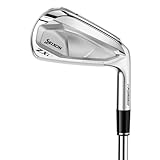
- i -FORGED Proprietary Condensed Forging inserts added strength in the hosel area, which allows for the use of new, softer S15C steel in the single-piece Iron body for unprecedented feel and control.
- PUREFRAME This generation of PureFrame uses a larger forged ridge in the body of the Iron just behind the sweet spot. We’ve expanded this ridge for even better feel, stability, and control.
- TOUR V.T. SOLE Our Tour V.T. Sole’s proprietary combination of sole widths, bounce angles, and notches to ensure a smooth glide through fairway, rough, and sand without any loss of speed.
- PROGRESSIVE GROOVES The 3i-7i feature wider grooves, while the 8i-AW have deeper, closer-set grooves to ensure consistent spin across the set. Laser milling between each groove, on every loft, enhances adds bite on every strike.
- PLAYERS IRON SHAPES A thin topline, narrow sole, short blade, and minimal offset—the preferred look for tour-level and lowhandicap golfers. These compact players Irons feature a muscle-back cavity for maximum workability and a razor-sharp look.
Who This Is For
- Experienced golfers with a consistent swing and a good understanding of their game. You’ve got the fundamentals down.
- Players who crave tactile feedback and want to actively shape their shots, manipulating trajectory and spin.
What to Check First for Bladed Irons
- Your Handicap and Swing Speed: Honestly assess your current game. Bladed irons demand a certain level of consistency and clubhead speed to perform optimally. If you’re consistently hitting the sweet spot, you might be ready.
- Current Club Specs: Know your existing irons’ loft, lie angle, and shaft characteristics. This gives you a baseline for comparison and helps you understand what changes you’re making.
- Sole Design: Bladed irons typically feature a narrower sole compared to game improvement models. This affects how the club interacts with the turf. A narrower sole is designed for cleaner turf interaction, especially on tight lies.
- Bounce Angle: While often subtle, the bounce angle on the sole can influence how the club moves through the grass. Bladed irons might have less bounce, requiring a cleaner strike.
- Your Commitment to Practice: These clubs are not forgiving. They will tell you exactly what you did wrong. Be prepared to put in the work on the range and short game areas.
Understanding Bladed Irons: A Deeper Dive
When you’re looking at golf clubs, you’ll see a lot of different designs. One of the most traditional and sought-after types is the bladed iron. These clubs have a distinct look and feel that appeals to a specific kind of golfer. Let’s break down what makes a bladed iron, what to look for, and why it might (or might not) be the right choice for your bag.
The Anatomy of a Bladed Iron
At its core, what is a bladed iron? It’s a golf club head characterized by its solid construction. Unlike cavity back irons, which have a hollowed-out section on the back, or game improvement irons with extensive perimeter weighting, a bladed iron has a solid piece of metal forming the entire head. This solid design is where the term “muscle back” comes from – the weight is concentrated directly behind the hitting area, creating a distinct “muscle” of mass.
- What to look for: A completely solid clubhead with no visible cavity or added weights on the perimeter. The back of the club will appear smooth and uniform, often with a simple, classic shape.
- Mistake to avoid: Confusing the solid design with a lack of technology. While they lack perimeter weighting, the craftsmanship and metallurgy in modern bladed irons are incredibly advanced. They are designed for pure, unadulterated feel and control.
Examining the Sole and Top Line
The visual cues of a bladed iron are as important as its internal construction. The way the club is shaped directly impacts its performance and how it interacts with the turf.
- What to look for: A relatively narrow sole. This allows the club to cut through the turf more easily, especially from firmer conditions or tight lies. It requires a precise strike but offers a clean exit from the turf. Also, inspect the top line. Bladed irons typically have a thinner top line than their cavity back counterparts. This is often preferred by better players for aesthetic reasons and perceived shot-making ability.
- Mistake to avoid: Expecting a wide, forgiving sole or a thick top line. These features are hallmarks of game improvement irons designed for maximum forgiveness. Bladed irons are built for a different purpose, and their design reflects that.
The Feel and Feedback Factor
One of the biggest draws of bladed irons is the feedback they provide. When you strike the ball perfectly on the sweet spot, the sensation is often described as crisp, solid, and deeply satisfying. Conversely, if you miss the sweet spot, you’ll know it immediately.
- What to look for: Immediate, direct feedback on every single shot. You’ll feel the slightest deviation from a perfect strike. This honesty is what allows skilled players to refine their technique and understand their swing dynamics.
- Mistake to avoid: Not being prepared for this honest feedback. If you’re used to the muted feel of more forgiving clubs, the sharp feedback from bladed irons can be jarring or even discouraging if you’re not ready for it. It’s a learning curve, but a rewarding one.
Set Composition and Gapping
While the head design is key, how bladed irons are incorporated into a set matters. They are often part of traditional iron sets, but you might see players blending them with other types of clubs.
- What to look for: Understand the lofts and gapping within the set. Bladed irons are often designed with slightly stronger lofts than older traditional sets, but it’s crucial to ensure the distances between clubs are consistent and suit your game. Some players might pair a bladed 3-iron with cavity back long irons for added forgiveness.
- Mistake to avoid: Assuming all bladed iron sets are created equal. Always check the specific lofts, bounce, and overall design intentions of the set. Don’t just buy them because they look cool; ensure they fit your game’s needs and progression.
Step-by-Step Plan for Understanding Bladed Irons
1. Understand the Core Design
- Action: Examine the back of the clubhead closely.
- What to look for: A solid, one-piece construction with no visible cavity or perimeter weighting. It should feel dense and substantial behind the hitting area.
- Mistake to avoid: Mistaking a very small or subtle cavity for a true bladed iron. A bladed iron is unequivocally solid.
2. Examine the Sole Width and Turf Interaction
- Action: Look at the club from address and visualize how it sits on the turf.
- What to look for: A narrower sole width. This indicates a design focused on cleaner turf interaction and less resistance through the grass.
- Mistake to avoid: Expecting a wide, forgiving sole that helps lift the ball out of the rough. Bladed irons require a more precise entry angle into the ball.
3. Inspect the Top Line Thickness
- Action: Look down at the club from your intended address position.
- What to look for: A thin top line. This is a classic aesthetic that appeals to skilled players who prefer a minimalist look at address.
- Mistake to avoid: Thinking a thicker top line is always better for alignment. While some players prefer a thicker top line for confidence, bladed irons’ thin top line is intentional and part of their traditional appeal.
4. Feel the Feedback on the Range
- Action: Hit a bucket of balls with bladed irons, focusing on the sensation of each shot.
- What to look for: Distinct feedback on every strike – the crispness of a pure hit versus the jarring vibration of an off-center strike. Pay attention to how the club feels through impact and the resulting ball flight.
- Mistake to avoid: Getting discouraged by mishits. The feedback is a feature, not a bug. Use it to identify and correct flaws in your swing.
5. Assess Shot Shaping Capability
- Action: Experiment with trying to intentionally draw and fade the ball.
- What to look for: How easily you can manipulate the clubface and swing path to produce intentional ball flight changes. Bladed irons offer superior control for this.
- Mistake to avoid: Assuming you can automatically shape shots just by using bladed irons. It still requires skill and practice, but the clubs are designed to facilitate it.
6. Consider Shaft and Set Composition
- Action: Consult with a club fitter about appropriate shaft options and review the lofts and gapping of the iron set.
- What to look for: A shaft that complements your swing speed and tempo, and a set composition that provides consistent distance gapping between clubs.
- Mistake to avoid: Overlooking the shaft. The shaft is critical for feel, control, and performance. A poorly matched shaft can negate any benefits of the bladed head design.
Common Mistakes with Bladed Irons
- Choosing Bladed Irons Without Sufficient Swing Speed or Consistency — Why it matters: These clubs require a consistent, aggressive swing to launch the ball effectively and achieve decent distance. Without it, you’ll struggle with inconsistent ball flight, reduced carry, and a general lack of performance, leading to frustration. — Fix: Honestly assess your game. If you’re not consistently striking the center of the face or have a swing speed below average, it’s worth considering game improvement or cavity back irons instead. A professional fitting is highly recommended.
- Misunderstanding the Lack of Forgiveness — Why it matters: Bladed irons offer minimal forgiveness on off-center hits. Mishits result in significant loss of distance, accuracy, and feel. This can lead to more penalized shots and a higher scoring potential if your ball striking isn’t dialed in. — Fix: Dedicate time to practice, focusing on solid contact and a repeatable swing. These clubs reward good technique and will highlight swing flaws, which can ultimately lead to improvement if you embrace the feedback.
- Ignoring the Importance of Shaft Selection — Why it matters: The shaft is arguably the most critical component dictating how an iron feels and performs. The wrong shaft flex, weight, or profile can lead to inconsistent ball flight, poor feel, and a complete lack of control, regardless of how good the clubhead is. — Fix: Work with a certified club fitter. They can analyze your swing speed, tempo, and attack angle to recommend the optimal shaft that will maximize the performance and feel of your bladed irons.
- Expecting Them to Be Like Modern Game Improvement Clubs — Why it matters: Bladed irons are built for a different player and purpose. They prioritize feel, workability, and precision over maximum distance and forgiveness. Comparing them to clubs designed for beginners or high handicappers is like comparing a sports car to an SUV – they serve different needs. — Fix: Understand the intended golfer and performance characteristics of bladed irons. If you’re looking for maximum distance and help on mishits, a bladed iron set is likely not your best option.
- Not Properly Understanding Turf Interaction — Why it matters: The narrower sole and often less pronounced bounce on bladed irons require a cleaner strike and a specific angle of attack. If you tend to dig or have a steep swing, you might find these clubs “digging” into the turf too much, leading to thin shots or loss of power. — Fix: Practice on different turf conditions. Focus on a smooth, sweeping motion through the ball rather than a steep chop. A fitter can also help you understand how bounce and sole grind affect your specific swing.
- Overlooking Set Composition and Gapping — Why it matters: Even with bladed irons, proper gapping between clubs is crucial for consistent distance control. If the lofts are too strong or too weak relative to your swing, or if the gaps are inconsistent, you’ll struggle with predictable yardages. — Fix: Always check the lofts and intended yardages for each club in the set. Discuss gapping with a fitter to ensure it aligns with your current yardages and provides a logical progression through your bag.
FAQ
- What is the primary difference between a bladed iron and a cavity back iron?
The fundamental difference lies in the back of the clubhead. A bladed iron has a solid, uniform back (hence “muscle back”), concentrating mass directly behind the hitting area. A cavity back iron has a hollowed-out section on the back, with weight distributed around the perimeter. This perimeter weighting in cavity backs generally leads to more forgiveness on off-center hits.
- Are bladed irons suitable for beginners?
Generally, no. Bladed irons are designed for golfers with a consistent swing who can reliably find the sweet spot. They offer very little forgiveness for mishits, which can be frustrating for beginners who are still developing their swing mechanics. Game improvement irons or cavity back irons are typically recommended for beginners as they offer more assistance and a larger margin for error.
- How does the feel of a bladed iron compare to other iron types?
Bladed irons are renowned for their direct and crisp feel. When you strike the ball perfectly, the sensation is often described as incredibly pure and satisfying. You feel the impact with the ball very clearly. This direct feedback is a key reason why skilled players prefer them, as it provides instant information about the quality of the strike. Cavity back irons tend to feel softer and more muted due to their design and perimeter weighting.
- Can bladed irons help improve my game?
For the right golfer, absolutely. The honest, direct feedback from bladed irons can be an invaluable tool for identifying and correcting swing flaws. By feeling exactly where you’re missing the sweet spot, you can make more precise adjustments. Furthermore, their inherent design allows for greater control over shot shaping (draws, fades, high/low shots), which can elevate a skilled player’s game. However, this improvement comes with the requirement of consistent practice and a dedication to refining your technique.
- What does “workability” mean in the context of bladed irons?
“Workability” refers to a club’s ability to be intentionally manipulated by the golfer to produce specific ball flights. This includes intentionally hitting a draw (a shot that curves from right to left for a right-handed golfer), a fade (left to right), or controlling the height of the shot. Bladed irons are highly workable because their design offers less inherent draw bias and allows for more precise face control through impact, making them favorites among professionals and advanced amateurs who rely on shaping shots to navigate the course.
- Are bladed irons always made from forged steel?
While many premium bladed irons are forged from a single piece of soft carbon steel (which many golfers believe contributes to their superior feel), not all bladed irons are forged. Some might be cast. However, the defining characteristic of a bladed iron is its solid muscle-back design, not necessarily its manufacturing process. Forged irons are often associated with a softer feel, but the solid head construction is what defines a bladed iron.

Michael Reeves is a PGA Professional with over 20 years of experience in competitive golf and instruction. A former Division I collegiate player at the University of Texas, he competed on the mini-tours before transitioning to full-time coaching and golf journalism. He has been a certified PGA teaching professional since 2005 and has worked with players at every level, from absolute beginners to collegiate champions.
His writing has appeared in Golf Digest, Golf Magazine, and The Left Rough. At GolfHubz, Michael leads the editorial team, overseeing fact-checking and ensuring every answer meets the same standard he demands on the lesson tee: clear, evidence-based, and immediately useful.
When he’s not writing or teaching, Michael plays to a +1.4 handicap at his home club in Austin, Texas. He has attended over 40 major championships as a journalist and fan, and has played more than 200 courses across 15 countries.
You can reach Michael at [email protected] or follow his occasional swing analysis posts on the site.