Professional Golfers and Their Careers
← Golf Lifestyle & Culture | Professional Golf & Career Paths
BLOCKQUOTE_0
Quick Answer
- Clean your golf clubs after every single round you play. Seriously, don’t skip this.
- Keep a sharp eye out for rust and tackle it fast. It’s the enemy.
- Proper storage is key to keeping your sticks in prime condition for years.
Who This Is For
- Campers who like to sneak in a round of golf wherever their travels take them.
- Anyone who’s invested in their golf gear and wants it to last and perform at its best.
What to Check First
- Club Faces: Give ’em a good once-over. Look for any packed-in dirt, grass clippings, or even minor dings from impacts.
- Grips: Squeeze ’em. Feel for any worn-down spots, tears, or if they’ve gone slick. A good grip is everything.
- Ferrules: These are the little rings where the shaft meets the clubhead. Make sure they’re snug and not loose or cracked.
- Shafts: Run your hand down the shaft. Check for any dents, dings, or suspicious cracks.
- Rust: This is a big one, especially for forged irons. Keep a hawk’s eye out for any reddish-brown spots.
Step-by-Step Plan for Golf Club Care
1. Action: Clean club faces. What to look for: Embedded dirt, grass, or any debris stuck in the grooves. Mistake to avoid: Leaving grime on the face. It messes with your ball contact and can wear down the club faster. I usually just use a wet rag and a brush. It’s quick and gets the job done.
2. Action: Scrub the grooves. What to look for: Packed dirt or mud that’s really settled in. Mistake to avoid: Not getting into those grooves. They’re crucial for generating spin on your shots. A tee or a dedicated groove tool works wonders here. Don’t be shy with it.
3. Action: Dry everything thoroughly. What to look for: Any lingering moisture on the club heads, shafts, or grips. Mistake to avoid: Putting away wet clubs. This is a fast track to rust and potential mildew. A quick wipe-down with a dry towel is all you need.
4. Action: Inspect your grips. What to look for: Smooth, shiny spots where the texture is gone, any visible cracks, or if they just feel generally slick. Mistake to avoid: Playing with worn-out grips. You’ll lose control, plain and simple. If they feel dicey, it’s time for a change.
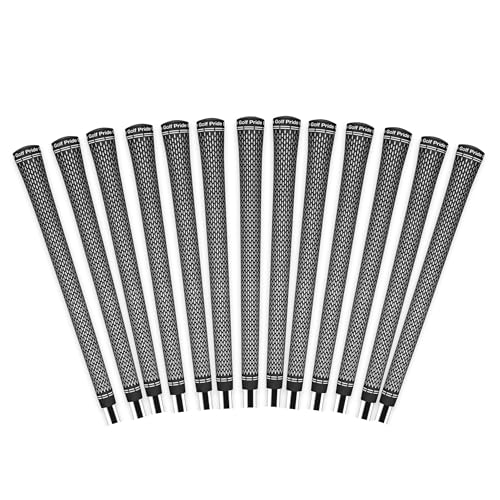 Golf Pride Tour Velvet 360 Golf Grip - Durable, Comfortable Grip Set for Clubs - Features Non-Slip Technology & a Softer Feel - Standard - White - 13 PackCheck price on AmazonWe may earn a commission
5. Action: Check for rust. What to look for: Those tell-tale orange or reddish-brown spots, especially on the clubface or the sole of the club. Mistake to avoid: Ignoring minor rust spots. They can and will spread if you let them. I usually grab a fine-grit sandpaper or a rust eraser for this. Works like a charm.
6. Action: Secure ferrules. What to look for: Any looseness, wobbling, or separation where the ferrule meets the clubhead. Mistake to avoid: Letting them get loose. This can lead to shaft damage down the line. A tiny dab of super glue usually fixes this right up.
7. Action: Store clubs properly. What to look for: A dry, temperature-stable environment. Mistake to avoid: Storing them in a super hot car trunk or a damp, musty shed. Your golf bag with a decent cover is usually good enough for most situations.
Common Mistakes in Golf Club Care
- Mistake: Not cleaning clubs after every round. — Why it matters: Dirt, sand, and grass aren’t just unsightly; they actively wear down your clubface and can negatively impact your game. — Fix: Make it a non-negotiable habit to give your clubs a quick clean right after you finish your 18. It takes two minutes.
- Mistake: Ignoring rust spots. — Why it matters: Rust isn’t just cosmetic. It compromises the metal’s integrity and can lead to premature failure or weakening of the clubhead. — Fix: Tackle rust the moment you spot it. Use the right tools and get it off before it takes hold.
- Mistake: Leaving clubs in extreme temperatures. — Why it matters: Constant heat can warp and degrade your grips and the adhesives holding them on. Extreme cold can make materials brittle and more prone to damage. — Fix: When possible, store your clubs indoors or in a place with a more stable temperature. Your garage is usually better than your car.
- Mistake: Overlooking grip wear. — Why it matters: Worn grips are a primary culprit for lost power and accuracy. If your hands are slipping, you’re not transferring energy effectively. — Fix: Regularly feel your grips. When they start feeling hard, slick, or look visibly worn, it’s time for a replacement.
- Mistake: Using harsh chemicals for cleaning. — Why it matters: Forget the industrial-strength stuff. Strong cleaners can strip finishes, damage grip materials, and even weaken the shafts over time. — Fix: Stick to mild soap and water or cleaners specifically designed for golf clubs. Your gear will thank you.
- Mistake: Not checking ferrules regularly. — Why it matters: A loose ferrule can eventually lead to the shaft separating from the head, which is a costly repair or replacement. It’s a sign of stress. — Fix: Give them a gentle wiggle every now and then. A tiny bit of epoxy can secure them if they start to loosen.
FAQ
- How often should I really be cleaning my golf clubs?
It’s best to give them a quick wipe-down after every round you play. For a more thorough cleaning, like getting deep into the grooves, do that every few rounds or whenever you notice significant buildup.
- What’s the best way to get rid of rust on my clubs?
For light rust, a fine-grit sandpaper or a dedicated rust eraser works well. For irons, a gentle scrub with a brass wire brush can also be effective, but be careful on finished surfaces. Always clean and dry thoroughly afterward to prevent recurrence.
- When is it time to replace my golf grips?
Most golfers find they need to replace grips every 40-50 rounds, or roughly once a year depending on how much you play. The key indicators are when they start feeling hard, slick, or show obvious signs of wear and tear.
- Is it okay to store my golf clubs in my car?
Honestly, it’s not ideal. The extreme temperature fluctuations, especially in a car trunk, can degrade your grips and the adhesives holding everything together over time. If you have no other choice, try to keep the car out of direct sunlight to minimize heat buildup.
- What kind of brush is best for cleaning golf clubs?
A soft-bristled brush, like one made of nylon, is great for general cleaning of faces and heads. For stubborn dirt in iron grooves, a brass wire brush can be used carefully. Just be cautious with abrasive brushes on woods and finishes to avoid scratching.
- How can I prevent rust on my clubs when I’m camping or in humid conditions?
Make sure your clubs are completely dry before putting them away. Consider using a silicone cloth or a protectant spray designed for metal on the clubheads, especially after cleaning. Keeping them in a well-ventilated bag with a cover also helps.

Michael Reeves is a PGA Professional with over 20 years of experience in competitive golf and instruction. A former Division I collegiate player at the University of Texas, he competed on the mini-tours before transitioning to full-time coaching and golf journalism. He has been a certified PGA teaching professional since 2005 and has worked with players at every level, from absolute beginners to collegiate champions.
His writing has appeared in Golf Digest, Golf Magazine, and The Left Rough. At GolfHubz, Michael leads the editorial team, overseeing fact-checking and ensuring every answer meets the same standard he demands on the lesson tee: clear, evidence-based, and immediately useful.
When he’s not writing or teaching, Michael plays to a +1.4 handicap at his home club in Austin, Texas. He has attended over 40 major championships as a journalist and fan, and has played more than 200 courses across 15 countries.
You can reach Michael at [email protected] or follow his occasional swing analysis posts on the site.